How to Find a Quiet Place to Relax in a Crowded Foreign City

Do you often come back from a trip and feel like you need a “vacation to recover from your vacation?”  You’re not alone.

Many people feel this way because they didn’t let themselves decompress at any time while they were away.  Given the greater emotional and physical energy exerted during a trip, it’s easy to feel drained or overstimulated during and after travel.   Finding a tranquil place to relax and regroup during your trip is one of the most obvious ways to prevent mental or emotional burnout — and keep every day of your vacation feeling (almost) like the first day you arrived.

Unfortunately, traditional “quiet” places may turn into anything but if everyone else decides to go there for their own relaxation.  Think of oceanside cafés that get so loud you can’t hear the waves washing up; well-known churches that sound like malls inside; and parks that put you in the path of an impromptu tag game – hardly anyone’s idea of peace.  Don’t think you have to return to your hotel room mid-day, or wander into an isolated (and potentially dangerous) area in order to “get away from it all.”  Here are a few universal, but often overlooked, places to unwind.

Botanical gardens.  These can sound like a bore to those not interested in plants, but botanical gardens have all of the relaxing characteristics of parks, but because of the (usually) small entrance fee, attract a different crowd; your chances of encountering skateboarding teenagers, drunks, or soccer practice are slim to none.   There is usually no shortage of places to sit down, and you can generally stay as long as you want after paying the day’s admission.

Universities.  Many universities have the look and feel of self-sustaining villages, and you’d have a hard time finding one without some green areas and benches (and often a pond and some wildlife).  Frat and sorority houses are less common outside North America, and while there’s obviously going to be plenty of activity on the main thoroughfares on weekdays, the overall atmosphere – especially on weekends – is subdued.  Another plus is that many universities are easily accessed within metropolitan areas, and even the grounds of most private universities are open to anyone.

Zoos.  You’d be hard pressed to find a zoo without an attractive, natural setting – and interacting with (or just watching) animals can quickly pull you out of your head and back into the moment.  About half of all major world cities have a zoo within three miles of tourist areas.  Try visiting on a weekday evening, or mid-afternoon after school groups have cleared out.

Embassy areas. These neighborhoods are particularly prominent in capital cities, and are often in easily accessible areas.  Although there aren’t many places to sit down, they are certainly a great place for a quiet stroll.  Embassy neighborhoods are rarely crowded, aesthetically pleasing, and you can let your guard down because security is second to none.

Stationed trains.  Particularly in European cities, long-distance trains pull into a station well before departure – by an hour, and sometimes more (especially if your city is the route terminus).  A parked train can be a very peaceful alternative to trying to rest your mind and feet in the chaotic main station hallway.  I’ve done it many times and not been bothered by attendants or conductors (unlike airplanes, which are usually swept and cleaned after every flight, the usual train is only serviced at the end of the day).

Obviously, you need to make sure the train doesn’t roll away taking you someplace you don’t want to go, but the chances of this happening are minimal as you’ll notice people start trickling in about ten minutes before departure.

Off-hours and hideaways in hotels.  After the maids have come through, and before the next round of guests check in, is an ideal time to get some peace in your hotel room, especially if it’s anything but tranquil in the evening and early morning. The ideal time window is usually between noon and three p.m.

If you’ve already checked out of a hotel, don’t feel bad about relaxing in the lobby a few hours after giving up your key.  It’s unlikely that any hotel employee will ask you to leave just because you’re done and paid for; after all, they want you to come back on your next trip, and write a nice online review about your stay.

Finally, a surprising number of hotels – particularly in Europe – have rooftop terraces.  These are often underutilized, because 1) guests aren’t aware of them, or 2) they simply forget to head up there.  The terrace can be a great escape when everyone else on your floor seems to be checking in, or coming in and out of their rooms, at the same time.  An added benefit is that you get to see the city from a bird’s-eye view, which can make it look less intimidating and give you a better perspective of where you are.

Airport quiet spots.  For some peace and space, many people know to head to the waiting area of a deserted gate.  Less commonly sought, but equally quiet places include interdenominational chapels (many international airports have one, and you don’t have to pray in order to use the room), and the lobbies of pre-check-in areas.  Most people automatically rush to the check-in counter and through security when they arrive at the airport, passing by many empty waiting areas adjacent to the airline ticket counters.

It's not always practical to find a place like this to unwind, but there are still plenty of places to relax if you know where to look. ( Pictured: Suomenlinna, Helsinki, Finland.)

It’s not always realistic to find a place like this to unwind, but there are still plenty of places to relax out there — if you know where to look. (Pictured: Suomenlinna, Helsinki, Finland.)

How to Relax in Russia: Some Tasty Suggestions

Mmm.  Russia isn’t anyone’s idea of a great place to de-stress these days, is it?  War… invasions… questionable allies… political incorrectness up the yin-yang…nasty stewardesses on Aeroflot… I mean, how do you spell anxiety in Cyrillic?

Perhaps the path to inner peace in Russia is not through its heart, but its stomach.  Look around on your next real or virtual visit to the Matryoshka Motherland, and feast your eyes — and your soul.  Much of its two urban gems, Moscow and St. Peterburg, are pretty enough to eat.  And when I say “pretty,” I mean that the czars of times past didn’t exactly hold back on the sumptuous domes, cake-grade colors, and sugary paint.  So the next time Putin’s ugly mug gives you indigestion, try biting off a piece of Russia’s calorie-laden beauty… your blood pressure (if not your glucose levels) will plummet.

Raspberry swirl meets dark chocolate and caramel. (St. Petersburg)

Raspberry swirl meets dark chocolate and caramel. (St. Petersburg)

Bolshoi

The Bolshoi ballerinas don’t eat much, but you can gorge on their pastel palace (The Bolshoi Theater, Moscow)

Russian take on the Gingerbread House? (Red Square, Moscow)

Russian take on the Gingerbread House? (Red Square, Moscow)

Somewhere, a wedding is missing the top of its cake (Smolniy Convent, St. Petersburg)

Somewhere, a wedding is missing the top of its cake (Smolniy Convent, St. Petersburg)

Pour me a river of chocolate syrup to enjoy this one (Neva River, Moscow)

Pour me a river of chocolate syrup to enjoy this one (Neva River, Moscow)

I would like my three scoops of scenery with extra sprinkles, please. (Novodevichiy Convent, Moscow)

I would like my three scoops of scenery with extra sprinkles, please. (Novodevichiy Convent, Moscow)

Another cupcake, please -- just go easy on the frosting. (St. Basil's Cathedral, Moscow)

Another cupcake, please — just go easy on the frosting. (St. Basil’s Cathedral, Moscow)

This peach pastry just needs some vanilla wafers (Kazan Cathedral, Moscow)

This peach pastry just needs some vanilla wafers (Kazan Cathedral, Moscow)

Jell-O has never tasted this good (outside Red Square, Moscow)

Jell-O has never tasted this good (outside Red Square, Moscow)

Forget the mint icing; I'll take this one with brown sugar (Red Square, Moscow)

Forget the mint icing; I’ll take this one with brown sugar (Red Square, Moscow)

A spy's fantasy of the perfect lemon tart? (Peter and Paul Fortress, St. Petersburg)

A spy’s fantasy of the perfect lemon tart? (Peter and Paul Fortress, St. Petersburg)

Travel Talk: Taking the Stress Out of Language Barriers

One of the first things someone might ask when you announce your trip to another country is, “Do you know the language?” Unless you’re visiting an ancestral homeland, are a language buff, or have learned foreign language(s) for your job or personal reasons, the answer will likely be no.  You may stress out over the thought of being unable to make your way around or communicate your needs during your trip.  The more this anxiety builds, the more pressure you could put on yourself to spend many hours learning a language – including nuances that you’re unlikely to need.
Unless you’re planning to spend an extended amount of time in a country, knowing the hundred or so “quick reference” words and phrases in a standard travel language book will usually be sufficient to get you around.  Focus on language concerning transportation, directions, obtaining assistance, and health and safety issues (such as the words for danger, caution, and hospital, as well as how to ask for an embassy or the police).  If this still doesn’t sound like enough, remember that there’s a reason that so many travel language books are sized to fit in your pocket.   You can look up phrases and words as you need them, without putting yourself through painful memorization exercises weeks before your trip.

 
Do You Speak English?     
This is an essential phrase to know in every language spoken in the places you’re visiting.  It manages your limited language skills while showing that you’re culturally sensitive enough to not just assume that someone speaks your language; it also helps break the ice.  If the person confirms that they speak English, then you’ve started off on the right foot; if they say no, then nod or apologize (think of how you feel when you dial the wrong phone number) and move on to someone else.  If you can’t move on to someone else, see how far you can get with numbers and gestures.  If you’re still struggling, then other employees or passersby are likely to notice, and chances are one of them will step in to help – if for no other reason than to show off their command of English.

A word of caution: if you have a rudimentary grasp of a foreign language and ask for directions or check into a hotel in that language, you need to be able to understand the person’s response.  The person might answer at a mile a minute, and you’ll either pretend to understand and move on, or ask for clarification in English – at which time the person will wonder (with some frustration) why you didn’t ask in English in the first place.  If you’re not proficient enough to go back and forth in conversation on a particular topic, then it’s usually best to ask Do you speak English? and go from there.

OLYMPUS DIGITAL CAMERA

Should I cross the street, or stay put and look out for the cute marshmallow doughboy? 

Most of us don’t get beyond learning a few written characters when touring places like Japan or China

Brunei: The Misunderstood Country You’ve Never Heard of

Many people have never heard of the tiny country of Brunei, a conservative Muslim state bordering Malaysia on the island of Borneo.  Brunei is beautiful, rich, unspoiled, and at the heart of a controversy. I was fortunate to be able to travel to Brunei this spring, only a couple of weeks before it made international headlines for its plans to implement shariah law in the country.  All of a sudden, the Sultanate of Brunei was not just an attractive vacation destination but one of only a handful of countries in the world to support such punishments as flogging, stoning, and amputation for crimes ranging from abortion, theft, adultery, and homosexuality.  Even the likes of Jay Leno and Ellen DeGeneres got in on the Brunei-bashing after the media learned that the Sultan of Brunei owns several large hotels around the world — one you may have even stayed in.

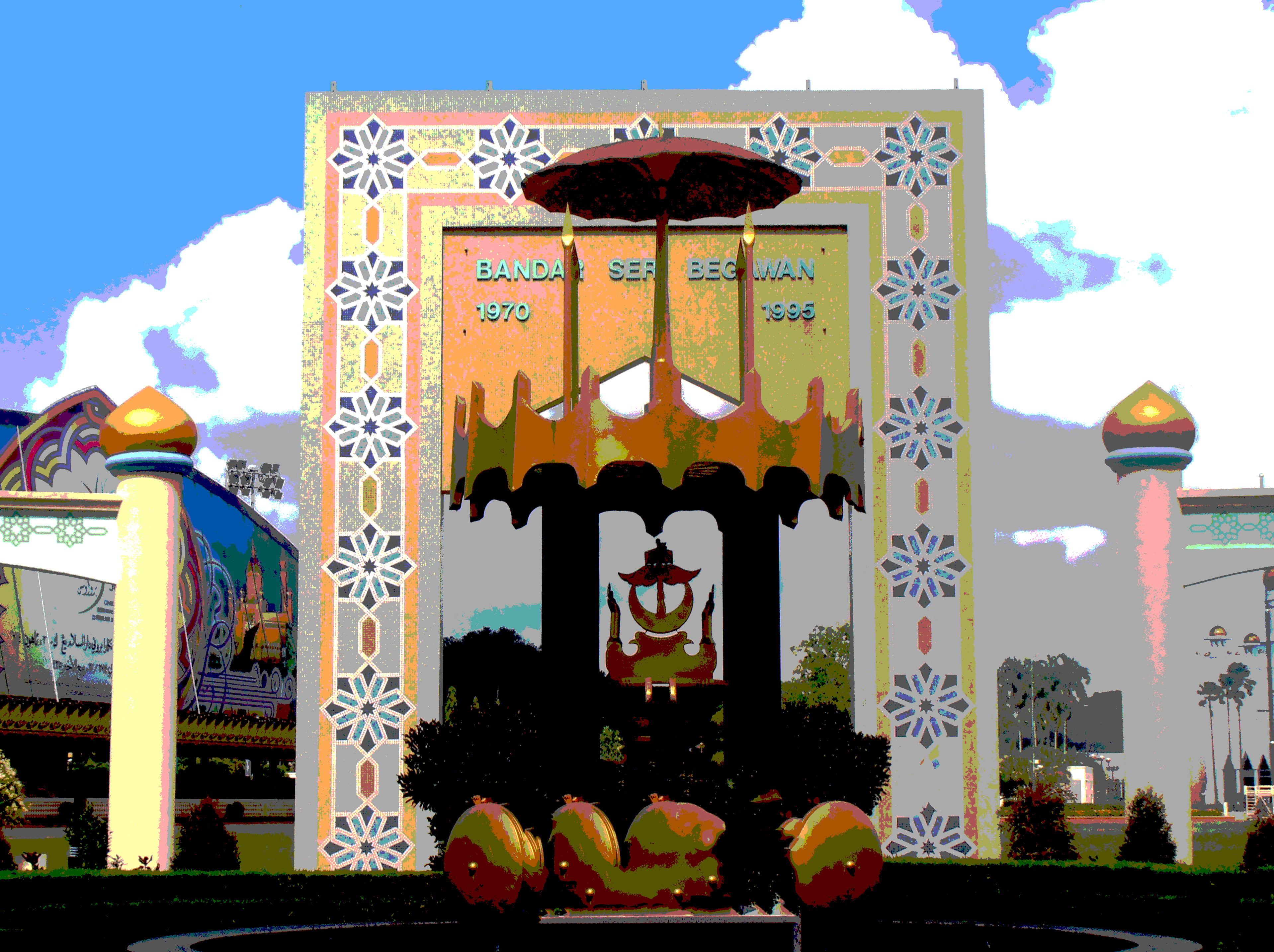
The Sultan of Brunei doesn’t care what the world thinks; he wants shariah law for his country, and he runs an absolute monarchy.  It’s ghastly for most of us to think of the kind of punishments his judges are ready to dole out to offenders.  But did I think about stoning, amputation, and flogging while I was wandering around Bandar Seri Begawan, Brunei’s capital?  Nope.  I felt like I was in a fairy-tale land of gorgeous architecture, polite hosts, and peace and quiet.  Mind you, I’m not exactly the kind of person, or tourist, that Brunei (or Islam) may want to encourage: single, female, childless, wandering around on her own with a map and a credit card.  Yet (as long as I had the headscarf on) I was treated with respect, kindness, and asked how I liked the tiny country that no one in North America seems to have heard of.

Do I agree with shariah law?  No, but I respect Brunei’s decision to implement it; it’s their country.  I sincerely hope that it doesn’t scare away tourists, incite anger against Islam, or forever scar Brunei’s image as the “Gateway to Borneo.”  Hey, are you going to get an abortion, commit adultery with a Muslim, steal, or cross-dress on your week-long vacation to Borneo?  And, if so, do you really think those shariah laws are going to apply to you?  Answer to both questions: mmm, probably not.  So don’t forever cross Brunei off your list because of sociopolitical reasons.  Not only will you be missing out on Borneo, but you’ll never see some of the most stunning architecture in Southeast Asia.

The Omar Ali Saifuddien Mosque

The vision-of-white Omar Ali Saifuddien Mosque gleams in the sunlight

Celebrating its independence from Britain in 1984

Brunei only declared its independence as a country in 1984, which might have something to do with its continued struggle for identity

For better or worse, the sheer beauty of Islam's art and architecture distract me from its debates and growing pains

For better or worse, the sheer beauty of Islam’s art and architecture can distract you from its debates and growing pains

The Omar Ali Saifuddien Mosque glows at dawn and dusk

The Omar Ali glows at dawn and dusk

I cannot fully imagine living somewhere where I could be handed a sentence of stoning or amputation.  Can you?

I cannot fully imagine living somewhere where I could be handed a sentence of stoning or amputation. Can you?

There are little signs of life at the Lagoon in downtown Bandar on a beautiful weekday afternoon.

There are little signs of life at the Lagoon in downtown Bandar on a beautiful weekday afternoon…

Life goes on for the 400,000 residents of Brunei, one-third of whom are not Muslim.

But, life goes on for the 400,000 residents of Brunei, one-third of whom are not Muslim.


Bangkok: The Perfect Place to Unwind?

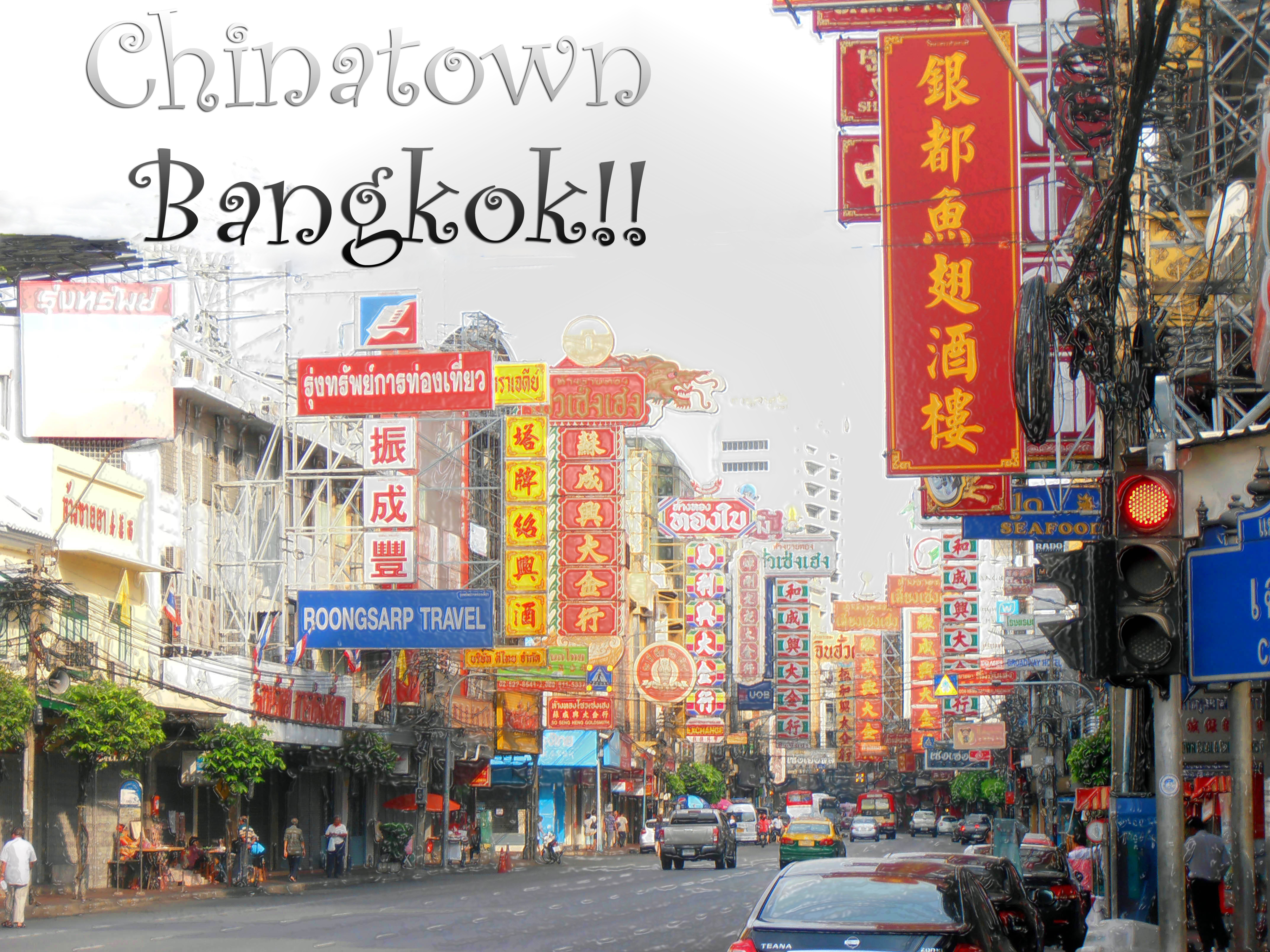
I know this: Bangkok  is never going to make the list of top ten tranquil vacation destinations in the world.  Suicidal tuk-tuk drivers, miles of sky-train soaring over one’s head, loud Thai folk music, gargantuan malls, canals cheerfully gargling with life, and enough shrine incense to get you high won’t exactly raise you to a Zen-like state.  Instead, you’ll get so caught up in the activity around you that you’ll completely deprogram.  What was so important in my life before I came to Bangkok? you’ll wonder.

Those candied colors and warm faces swirling around you will reassure you that everything you need to feel really good is right here.  The tension will slowly leave your body and your headaches will become a thing of last week — I mean, of the past.  Your heartburn will go away (as long as you stay off of Khao San Road) and your blood pressure will lower as smoothly as Buddha’s arm.

So why isn’t Bangkok on your short-list?  Never mind, just take this virtual stroll with me.

On the stroll to the Golden Mount.

On the stroll to the Golden Mount.

'Nuff said.  Bring your cash and your sense of humor!

Bring your cash and your sense of humor!

You are delusional if you think these things come with seat belts.

You are delusional if you think these tuk-tuks come with seat belts.

Asiatique, new fixture in Bangkok.

Asiatique, new fixture in Bangkok.

Khao San Road, home to foreign mercenaries, missionaries, and misfits.

Khao San Road, home to motorcyclists, mercenaries, muggers, and misfits.

This is the view from the taxi, whose driver has never heard of Prozac.

This is the view from my taxi.

Be sure to wrap your expensive electronics in plastic on the streets, or a drive-by squirting may result in a panic attack.

Be sure to wrap your expensive electronics in plastic on the streets, or a drive-by squirting may result in your panic attack.

Another gorgeous shrine to help you relax.

Another gorgeous shrine to help you relax.


The people who live here have never heard of Prozac.

The people who live here have never heard of Prozac.

The mystique of the monastery

The mystique of the monastery

Home sweet home on the Chao Phraya River.

Home sweet home on the Chao Phraya River.

You, too, can find inner peace under a gray sky.

You, too, can find inner peace under a gray sky.

Bangkok's canals provide a restive retreat from the hectic pace of the cit -- never mind, just get in.

Bangkok’s canals provide a restive retreat from the hectic pace of the cit — never mind, just get in.

I'd like my place of worship all in pastels, please.  Gosh my local church needs a makeover.

I’d like my place of worship all in pastels, please. (Gosh my local church needs a makeover.)

Something about Buddha can just make you feel trippy.

Something about Buddha can just make you feel trippy.

Quintessential Thailand.

Quintessential Thailand.

What Bangkok looks like when you're severely jet-lagged.

What Bangkok looks like when you’re still really jet-lagged.  But at this point, you don’t care!

How to Find a Quiet Place to Relax in a Crowded Foreign City

Do you often come back from a trip and feel like you need a “vacation to recover from your vacation?”  You’re not alone.

Many people feel this way because they didn’t let themselves decompress at any time while they were away.  Given the greater emotional and physical energy exerted during a trip, it’s easy to feel drained or overstimulated during and after travel.   Finding a tranquil place to relax and regroup during your trip is one of the most obvious ways to prevent mental or emotional burnout — and keep every day of your vacation feeling (almost) like the first day you arrived.

Unfortunately, traditional “quiet” places may turn into anything but if everyone else decides to go there for their own relaxation.  Think of oceanside cafés that get so loud you can’t hear the waves washing up; well-known churches that sound like malls inside; and parks that put you in the path of an impromptu tag game – hardly anyone’s idea of peace.  Don’t think you have to return to your hotel room mid-day, or wander into an isolated (and potentially dangerous) area in order to “get away from it all.”  Here are a few universal, but often overlooked, places to unwind.

Botanical gardens.  These can sound like a bore to those not interested in plants, but botanical gardens have all of the relaxing characteristics of parks, but because of the (usually) small entrance fee, attract a different crowd; your chances of encountering skateboarding teenagers, drunks, or soccer practice are slim to none.   There is usually no shortage of places to sit down, and you can generally stay as long as you want after paying the day’s admission.

Universities.  Many universities have the look and feel of self-sustaining villages, and you’d have a hard time finding one without some green areas and benches (and often a pond and some wildlife).  Frat and sorority houses are less common outside North America, and while there’s obviously going to be plenty of activity on the main thoroughfares on weekdays, the overall atmosphere – especially on weekends – is subdued.  Another plus is that many universities are easily accessed within metropolitan areas, and even the grounds of most private universities are open to anyone.

Zoos.  You’d be hard pressed to find a zoo without an attractive, natural setting – and interacting with (or just watching) animals can quickly pull you out of your head and back into the moment.  About half of all major world cities have a zoo within three miles of tourist areas.  Try visiting on a weekday evening, or mid-afternoon after school groups have cleared out.

Embassy areas. These neighborhoods are particularly prominent in capital cities, and are often in easily accessible areas.  Although there aren’t many places to sit down, they are certainly a great place for a quiet stroll.  Embassy neighborhoods are rarely crowded, aesthetically pleasing, and you can let your guard down because security is second to none.

Stationed trains.  Particularly in European cities, long-distance trains pull into a station well before departure – by an hour, and sometimes more (especially if your city is the route terminus).  A parked train can be a very peaceful alternative to trying to rest your mind and feet in the chaotic main station hallway.  I’ve done it many times and not been bothered by attendants or conductors (unlike airplanes, which are usually swept and cleaned after every flight, the usual train is only serviced at the end of the day).

Obviously, you need to make sure the train doesn’t roll away taking you someplace you don’t want to go, but the chances of this happening are minimal as you’ll notice people start trickling in about ten minutes before departure.

Off-hours and hideaways in hotels.  After the maids have come through, and before the next round of guests check in, is an ideal time to get some peace in your hotel room, especially if it’s anything but tranquil in the evening and early morning. The ideal time window is usually between noon and three p.m.

If you’ve already checked out of a hotel, don’t feel bad about relaxing in the lobby a few hours after giving up your key.  It’s unlikely that any hotel employee will ask you to leave just because you’re done and paid for; after all, they want you to come back on your next trip, and write a nice online review about your stay.

Finally, a surprising number of hotels – particularly in Europe – have rooftop terraces.  These are often underutilized, because 1) guests aren’t aware of them, or 2) they simply forget to head up there.  The terrace can be a great escape when everyone else on your floor seems to be checking in, or coming in and out of their rooms, at the same time.  An added benefit is that you get to see the city from a bird’s-eye view, which can make it look less intimidating and give you a better perspective of where you are.

Airport quiet spots.  For some peace and space, many people know to head to the waiting area of a deserted gate.  Less commonly sought, but equally quiet places include interdenominational chapels (many international airports have one, and you don’t have to pray in order to use the room), and the lobbies of pre-check-in areas.  Most people automatically rush to the check-in counter and through security when they arrive at the airport, passing by many empty waiting areas adjacent to the airline ticket counters.

It's not always practical to find a place like this to unwind, but there are still plenty of places to relax if you know where to look. ( Pictured: Suomenlinna, Helsinki, Finland.)

It’s not always realistic to find a place like this to unwind, but there are still plenty of places to relax out there — if you know where to look. (Pictured: Suomenlinna, Helsinki, Finland.)

Establishing Straightforward Relationships as a Foreigner: Understanding Types of Interactions, and Roles

It might be unnerving to think about negotiating with strangers for what you need and want on a trip.  Asking for help, receiving services, or making arrangements with people you don’t know can expose you to a wide range of personalities, moods, cultural differences, and the occasional thoughtless or rude response. As a traveler, it helps to view your interactions as falling into one of two categories: 1) those that you have to initiate, and 2) those that the other person has to initiate. Another way to think of these respective categories is:
  1. Those interactions that you can’t control, and
  2. Those that you can.

Generally, if you’re paying for a service, then someone else has to initiate the interaction – and will likely do so in a courteous and sensitive manner (yes, I know, this is a very optimistic assumption!).  Since as a tourist you are paying for a number of things including hotels, airfare, secondary transportation, and meals, the majority of your interactions will be those where the other person must approach you and offer what you need and want.  Understanding this can go a long way towards mitigating your anxiety since breaking the ice with someone is almost always the most stressful aspect of an interaction.  Let tour guides, waiters, bellhops, maids, flight attendants, and hotel receptionists do their jobs, and relax.

Examples of interactions that you usually initiate include those with taxi drivers; when asking for directions or help; when making reservations or arrangements you haven’t yet paid for; or with unresponsive service staff.  If you’re like most people have some anxiety, you try to keep these interactions to a minimum – or resort to email for reservations or to file a complaint.

There are several scenarios where either you or another person may initiate an interaction, such as with store clerks, police or security, other guests, or other tourists.  In some cases you’ll want or need something enough that you’ll broach someone whether it causes you anxiety or not; in other cases, someone may notice that you need something, or are having problems, and come to you.  You’ll have to decide whether it causes you more stress to approach someone out of the blue, or wait a while to be approached.

Is there a correlation between how much money you spend and how much thought you have to put into interacting with others?  Not necessarily.  Although budget travelers are going to pay for fewer services and have to be more proactive in getting what they need, people who are traveling in luxury are going to have more discretion in their interactions with a large number of service people, and may spend a lot of time and energy concerned about how much to tip, who to call for a certain type of service, etc.  Things are going to be most straightforward for middle-of-the-road travelers.

Roles you play

There are basically three roles you play as a tourist.  These are:

  1. Customer;
  2. Guest in country; and
  3. Fellow tourist.

Once you realize that this is how others see you, you may lose a lot of fear of interacting with others.  Here are some things to be aware of regarding each of your roles.

Customer.  Despite your status as a paid customer at a hotel or on a flight, train, ship, etc., you might encounter some unwarranted negativity from service people that causes you distress.  It may seem obvious, but different service people will have different attitudes toward tourists.  Many are in their jobs because they enjoy interacting with people around the globe; others are frustrated with working for low wages, and resent that you have the means to vacation thousands of miles away.

If you’re stuck in a days-long arrangement with stress-inducing service staff, try softening them up by getting their mind off work.  You can usually do this by talking about what you love about their city, compared to what you don’t like at home.  Frustrated people want to rediscover their surroundings, or see that they have things better than they realized – and curiosity about what your home country is really like often gets the better of their unfriendliness.

Guest in country.  If you wander off the typical tourist path, you may interact with the people of your host country outside of just the service sector.  This could be at a supermarket, a bus stop, or a post office, where – depending on how provincial your destination is – you could be stared at or treated as something of a novelty.  Friendly and curious people can cause you to feel very awkward without intending to.  If their attention or scrutiny causes you anxiety, remember that you have a lot of control at the start of an interaction with someone, but the longer you engage, the less you’re able to deny invitations or queries without stress.  Do your share of smiling and excusing yourself – and move on with your business.

There are plenty of stories about Americans (and a lot fewer about Canadians) who are openly derided or snubbed abroad, but if you’re traveling alone or with only one other person, you’re far more likely to be judged as an individual rather than subject to stereotypes.  Some of the personality traits that are common among anxiety sufferers, such as being reserved and sensitive to the needs of others, work against the usual stereotypes applied to Americans, and in your favor.

Fellow tourist.  Consider this: you’re more likely to have an unpleasant experience with other tourists than with service personnel or locals.  This is because you’re essentially competing with other tourists for the best seats, space, or attention wherever you go.  People from different cultures may demonstrate a variety of impatient or aggressive responses when it comes to seeing what they want to see, and going where they need to go.  Keep in mind that your public behavior may be equally unfamiliar to them, and may even come off as arrogant or threatening, even if this is the last thing you intend and you’re behaving like you always would.

Despite these challenges, you should be prepared to occasionally interact with other tourists to get what you need or want.  You may need to use someone else’s phone because your battery has gone dead, or you could need a couple bills of the local currency because the local TravelExchange kiosk doesn’t open for hours.  The basic rule is to not expect any favors from other tourists.  If you need something, you should have something to offer in exchange.  This could be, for example:

Ÿ                     Your still-valid metro ticket in exchange for someone’s map;

Ÿ                     A camera trade to take pictures of each other in front of landmarks; or

Ÿ                     A couple Euros in exchange for using their cell phone for a few minutes.

Making it clear what you have to offer, and what you would like in exchange, makes it difficult for the other person to say no, yet doesn’t make you come off as pushy or demanding.

On the shuttle bus from Buenos Aires to the cruise port.  Do you folks mind moving over so I'm not standing on the red line?

On the shuttle bus from Buenos Aires cruise check-in to the Celebrity port. Would you folks mind moving your luggage so I’m not standing on the red line when the door opens?

Special Post: Photos of Istanbul, Frankfurt, Rome, Casablanca, Lisbon, and Athens

Wishing you all a wonderful holiday and Happy New Year!

Enjoy! 🙂

Beautiful Casablanca

Beautiful Casablanca, Morocco

The Hagia Sophia, Istanbul, Turkey

The Hagia Sophia, Istanbul, Turkey

Bozdogan Kemeri (Aqueduct), Istanbul, Turkey

Bozdogan Kemeri (Aqueduct), Istanbul, Turkey

Eminonu, Istanbul, Turkey

Eminonu, Istanbul, Turkey

Cruising the Bosphorus, Istanbul, Turkey

Cruising the Bosphorus, Istanbul, Turkey

Miniaturk, Istanbul

Miniaturk, Istanbul

A model of the Fortress of Europe, Istanbul

A model of the Fortress of Europe, Istanbul

The smallest mosque in the world lies in Miniaturk, Istanbul

The smallest mosque in the world lies in Miniaturk, Istanbul

The ancient Turkish city of Marmara: larger than (em, in) life

The ancient Turkish city of Marmara: larger than (em, in) life

If you don't eat your hotel's continental breakfast, there are plenty of stray kittens in Istanbul who will!

If you don’t eat your hotel’s continental breakfast, there are plenty of stray kittens in Istanbul who will!

The stunning Bosphorus Strait, Istanbul

The stunning Bosphorus Strait, Istanbul

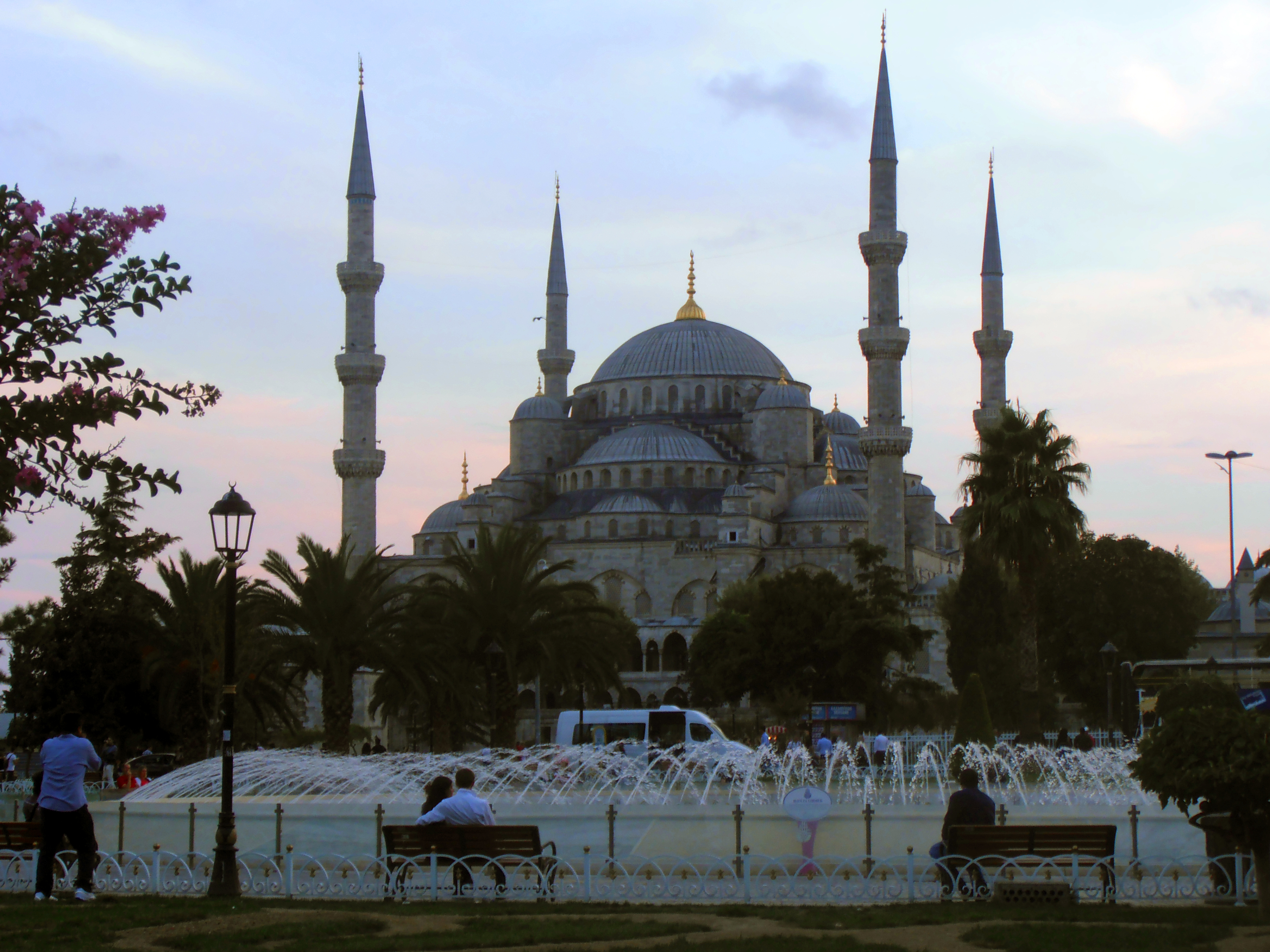
The Blue Mosque, Istanbul

The Blue Mosque, Istanbul

Sultanahmet, Istanbul

Sultanahmet, Istanbul

Beyoglu, Istanbul

Beyoglu, Istanbul

Looking out on the Bosphorus, Istanbul

Looking out on the Bosphorus, Istanbul

Roemer Square, Frankfurt, Germany

Roemer Square, Frankfurt, Germany

More of gorgeous Roemer Square

More of gorgeous Roemer Square

Frankfurt, Germany

Frankfurt, Germany

Not something you see every day... in Frankfurt, Germany

Not something you see every day… in Frankfurt, Germany

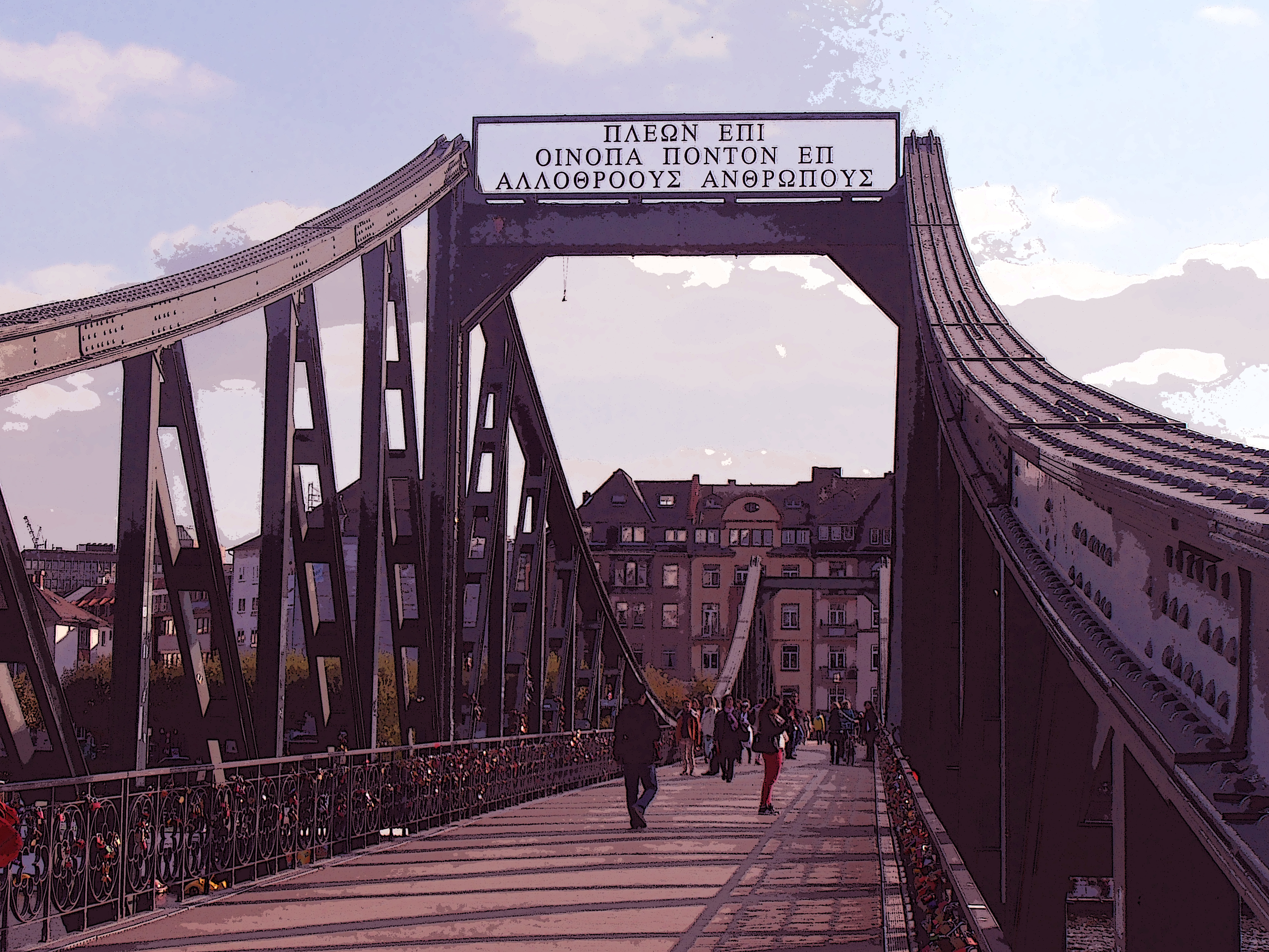
Frankfurt Hbf (train station)

Frankfurt Hbf (train station)

Foro Romano, Rome, Italy

Foro Romano, Rome, Italy

Having fun in Rome

Rome: This is what I look like with no makeup and too much alcohol.  I have no idea who the woman is to the right

The Coliseum, Rome

The Coliseum, Rome
Foro Romano, Rome

Foro Romano, Rome

The Foro Romano

The Foro Romano

The Spanish Steps, Rome

The Spanish Steps, Rome

The view from the Spanish Steps

The view from the Spanish Steps

The Piazza di Spagna, Rome

The Piazza di Spagna, Rome

The Imperial Fora, Rome

The Imperial Fora, Rome

What Rome looks like when you're really jet-lagged

What Rome looks like when you’re really jet-lagged

I have no idea what this is! (Rome)

I have no idea what this is! (Rome)

A final shot of the wondrous Coliseum

A final shot of the wondrous Coliseum

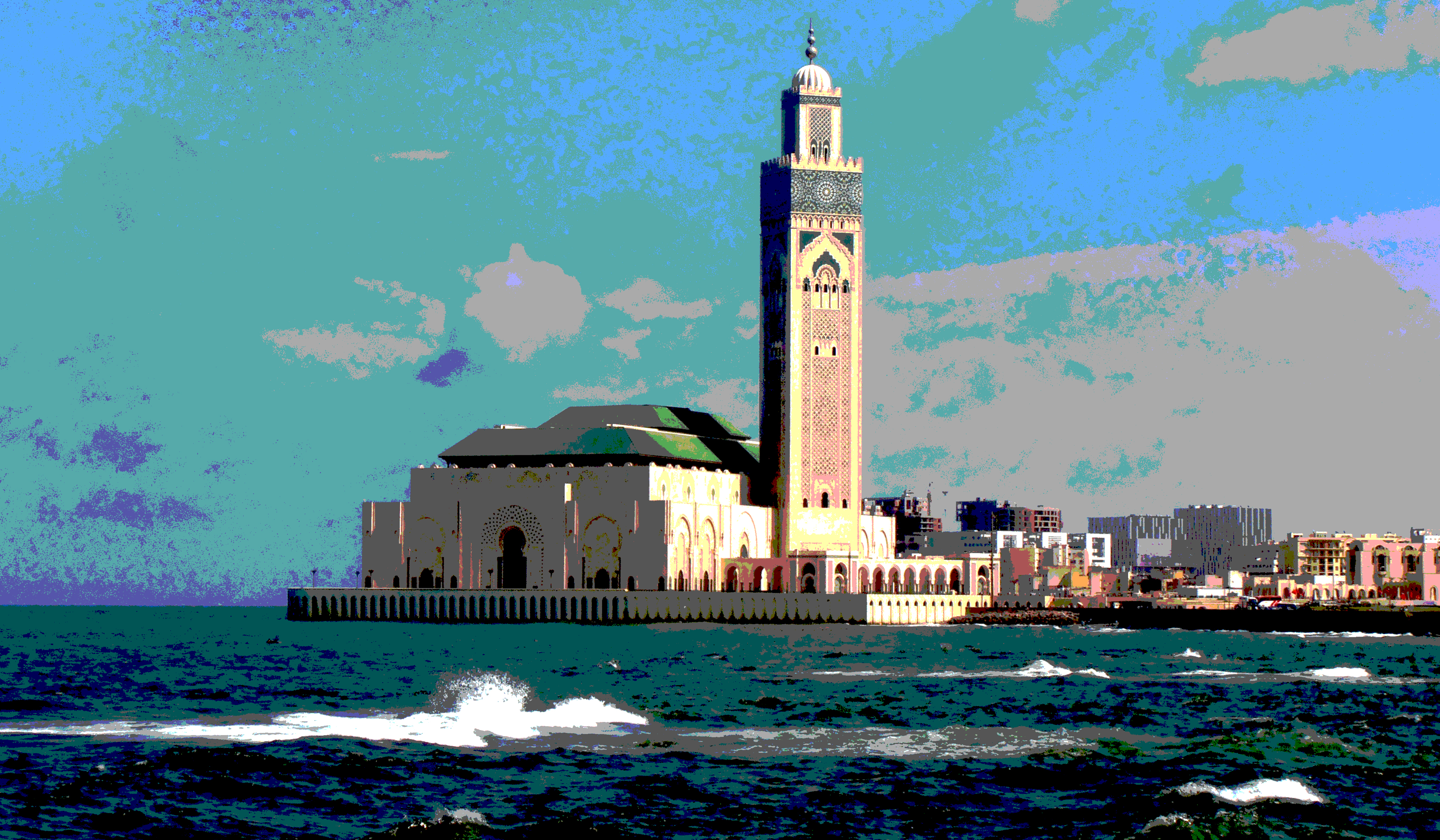
Hassan II Mosque

Hassan II Mosque

Another view of the gorgeous mosque, right on the shores of the Atlantic

Another view of the gorgeous mosque, right on the shores of the Atlantic

Outside the medina in Casablanca, Morocco

Outside the medina in Casablanca, Morocco

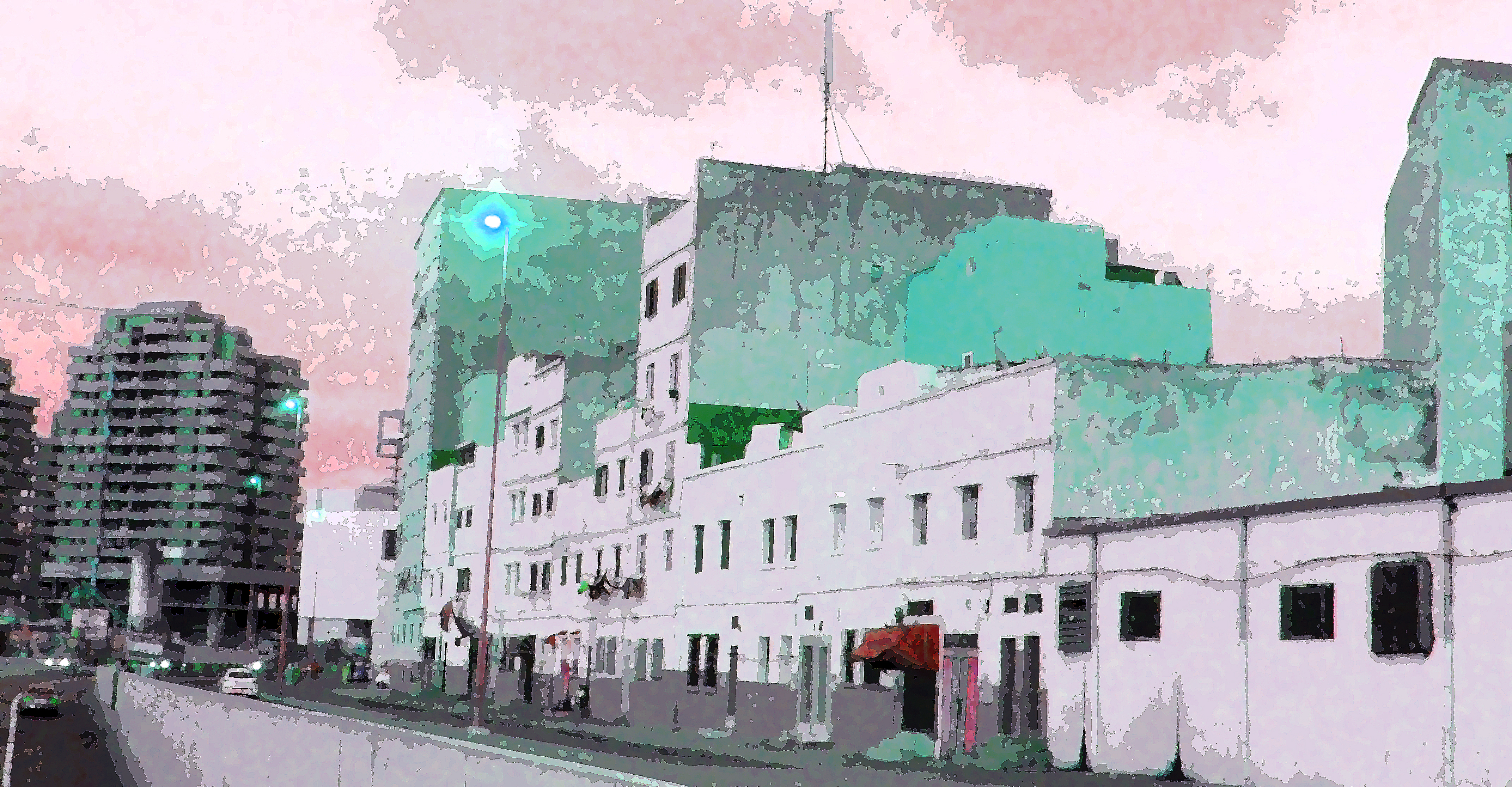
The urban scene in Casablanca, Morocco

The urban scene in Casablanca, Morocco

People-watching in Casablanca

People-watching in Casablanca

The beach scene, Casablanca

The beach scene, Casablanca

Suburban mosque, Casablanca

Suburban mosque, Casablanca

Closest thing you get to a boardwalk in Casablanca

Closest thing you get to a boardwalk in Casablanca

Casablanca

Casablanca

The courtyard of Hassan II Mosque

The courtyard of Hassan II Mosque

Casablanca

Casablanca

Fishing off the African coast

Fishing off the African coast

The beach scene, Casablanca

The beach scene, Casablanca

Downtown Casablanca

Downtown Casablanca

Another view of Hassan II Mosque

Another view of Hassan II Mosque

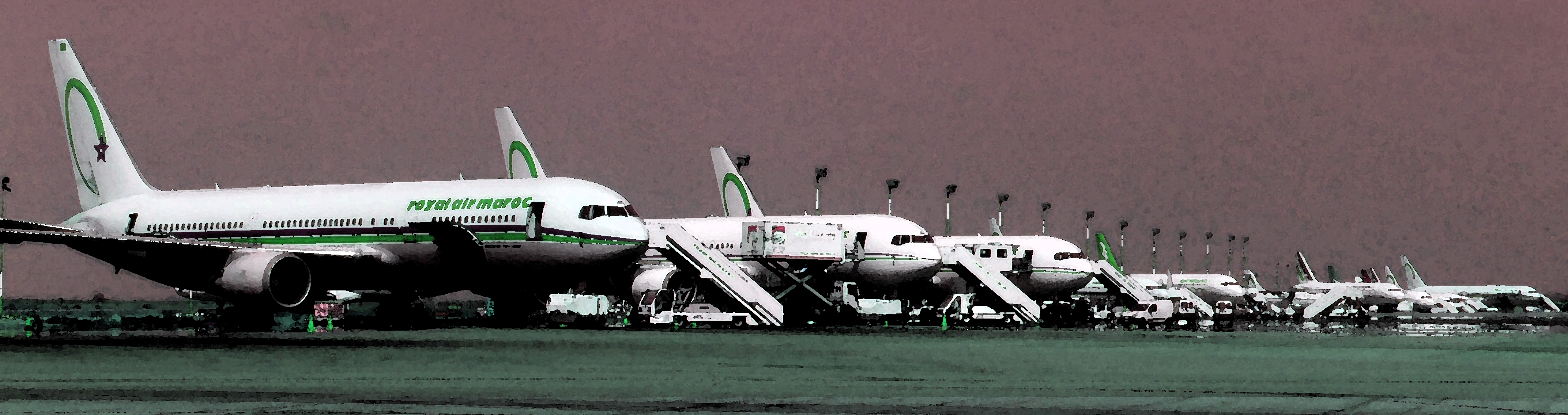
Mohammad V Airport, Casablanca

Mohammad V Airport, Casablanca

Aerial of Casablanca

Aerial of Casablanca

Approaching Lisbon

Approaching Lisbon

The Golden Gate Bridge doppelganger: the Ponte 25 de Abril Bridge, Lisbon, Portugal

The Golden Gate Bridge doppelganger: the Ponte 25 de Abril Bridge, Lisbon, Portugal

The Monument to Discoveries, Lisbon

The Monument to Discoveries, Lisbon

Baixa District, Lisbon

Baixa District, Lisbon

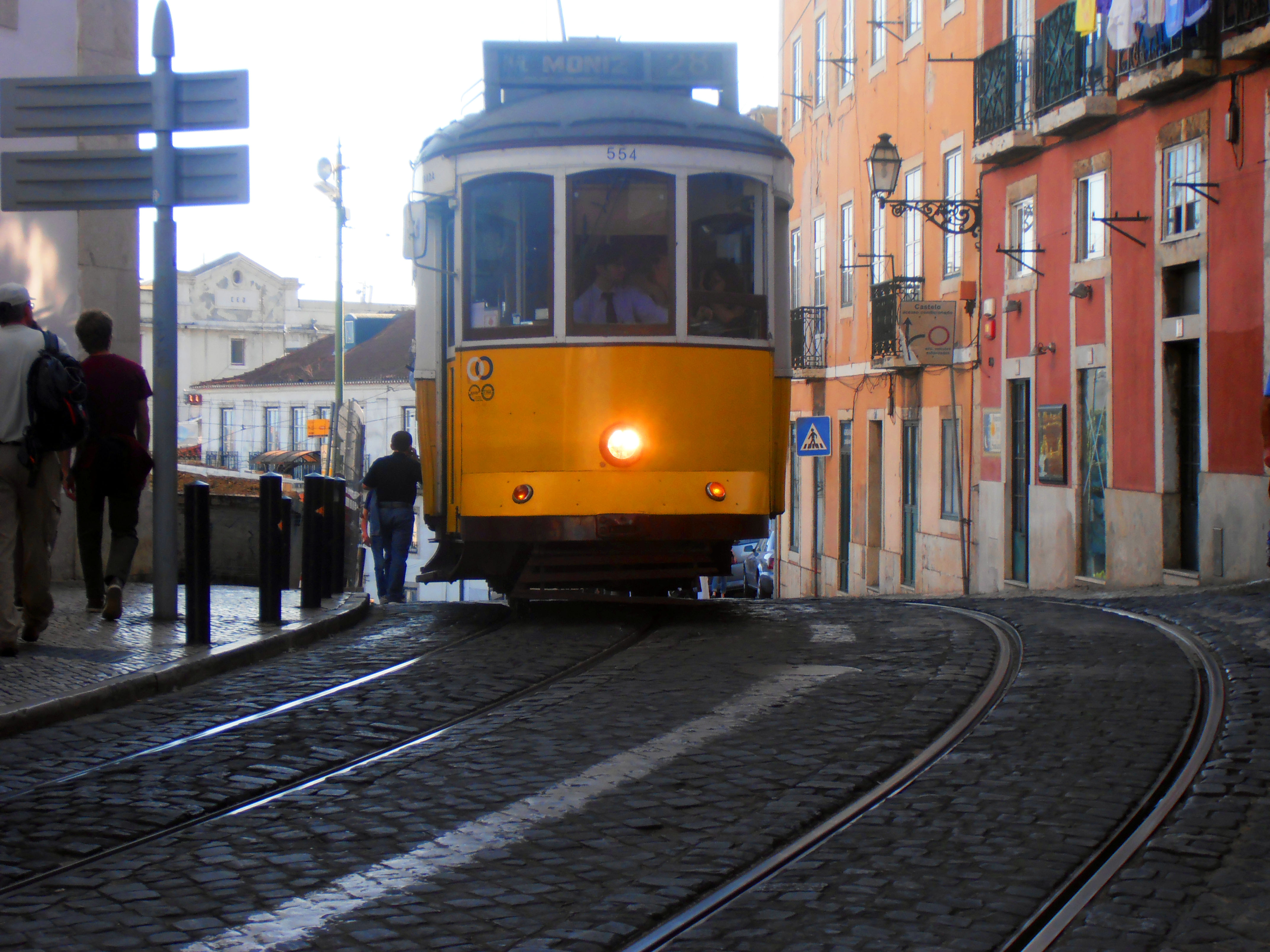
The Lisbon tram

The Lisbon tram

Jeronimo Monastery, Lisbon

Jeronimo Monastery, Lisbon

Torre Belem, Lisbon

Torre Belem, Lisbon

Lisbon

Lisbon

Lisbon

Lisbon

Aerial of Lisbon

Aerial of Lisbon

View of Athens from Filopappos Hill

View of Athens from Filopappos Hill

You don't really go to "the park" in Athens -- you go to "the rock"

You don’t really go to “the park” in Athens — you go to “the rock”

OLYMPUS DIGITAL CAMERA

View of the Acropolis, Athens

View of the Acropolis, Athens

Here I am after climbing to the top of Lykovittos Hill, Athens

Here I am after climbing to the top of Lykovittos Hill, Athens

Aerial of Athens

Aerial of Athens

The Temple of Olympian Zeus, Athens

The Temple of Olympian Zeus, Athens

A final look at Athens and Lykovittos Hill

A final look at Athens and Lykovittos Hill

How to Travel on a Special Diet

Lactose intolerance.  Gluten-free diets.  Low-sodium diets. Any one of dozens of food allergies… and more.   Plenty of us are on a special diet or have restrictions on what we can eat, often for medical reasons.   Some people won’t even go on long trips abroad because they’re justifiably worried that a meal could send them to the hospital — or leave them stranded in the bathroom of the Holiday Inn.  One thing is for sure: anxiety over what we eat far from home isn’t limited to concerns about food poisoning or an upset stomach.  If you find that eating abroad causes you a lot of stress, you might find the following tips helpful.

Research local dishes before you go.  Part of the highlight of going to places like South Africa, Peru, or Mongolia is to try different food — and your food allergy or diet restriction threaten to hamper your culinary exploration.  Learn more about what people eat where you’re going, before you go, to find a popular dish that will fit your diet.  Try going to http://www.eatyourworld.com for more information by country and region.  At the very least, you can find out the ingredients in several dishes, the various types of preparations, and what to definitely avoid.

Book a hotel room or suite with a kitchenette. These don’t have to be expensive, and are more prevalent overseas than you may think.   Many such hotels are found where the tourist areas meet residential districts, which means that a supermarket is usually just down the street.  I’ve noted that such hotels, though, can be very fussy about requesting that you clean up the kitchen, completely, before you go out for the day (presumably to avoid possible pest nuisances), so be prepared to do “kitchen duty” before you go out sightseeing.

When eating out, stick with basic foods.  The less sauce, fixings, and “concoction recipes” you indulge in, the safer you’ll be — even if it takes some of the fun out of it.  The best choices include plain vegetables, grilled chicken or fish, and plain rice or pasta.  The waitress will give you a bored look, but at least you’ll be able to see her again the next evening for dinner.

Don’t make assumptions at globalized restaurants.  Is it true that a burger you order at McDonald’s or TGI Friday’s abroad is 99% similar to what you get at your favorite chain at home?  Absolutely — and it’s that 1% difference that could wreak havoc on your system.  One minor additive from a local source can make you ill, so start out with small portions at that Burger King in Siberia or Hong Kong to see if you have a reaction.

Remind the airline before you board that you ordered a special meal.  How many passengers have been vexed by flight attendants who come down the narrow aisle with chicken-or-beef in one hand and no inkling of your requested special entree?  By the time you (and everyone else on board) is ready to eat, it might be too late for the crew to locate and bring you what you reserved.  Verify upon check-in or baggage drop that you will be served the special meal(s) you requested.

  OLYMPUS DIGITAL CAMERA

The airline’s cold breakfast — possibly the most straightforward meal you’ll eat on your entire trip.