How to Prepare an Emergency Medical Contact Card Before You Go Abroad

If you’ve ever had to visit an ER or doctor in another country, you know how critical it is to have an emergency medical card, and several supplemental documents, with you at all times (or at least in your hotel room).   Some of this medical and personal information seems pointless to write down since you can reel it off the top of your head, but most of it isn’t — and you don’t want to be kicking yourself for not having the contact info you need when you’re ill or injured so far from home.

Your emergency medical card (or page, printout, etc.) and supplemental info should include your critical health and personal data, and definitely not be left to the last minute since it can take surprisingly long (as in, upwards of eight hours!) to gather and list all the information.  Sound boring and tedious to put together?  It is — but hopefully the following can help.

Your card should include the names, phone numbers, and addresses or email addresses for the following:

Ÿ1. Family member or close contact remaining at home;

Ÿ2. Your doctor at home, your pharmacy, and your health care provider;

3. ŸTravel insurance (and any medevac insurance) information;

Ÿ4. Place(s) of lodging at your destination;

Ÿ5. The U.S. Embassy or consulate in your destination country;

Ÿ6. A list of your medications, including generic and brand names, reason for taking each, dosage information, and how often taken;

Ÿ7. All medical conditions or allergies you have; and

Ÿ8. Documentation of any immunizations required by the country you’re visiting.

Items to attach or keep with this card include:

Ÿ1. A copy of your medical insurance card (keep the original in your wallet);

Ÿ2. At least one insurance claim form (note that you shouldn’t have to navigate through the member services department of your HMO to get insurance claim forms; the travel clinic should carry them);

3. ŸA signed letter from your physician describing your general medical condition(s), and all current medications;

4. ŸThe list of urgent care services and doctors that you have researched in each country (or, more likely, had your physician or travel agent research for you); and, if you’re traveling off the beaten tourist track:

5. ŸThe name of any medication conditions, and medications, written in the local languages of the areas you plan to visit.  For translation services, try asking your travel clinic first since your main care practitioner may not know where to send you within your HMO or PPO.  Note that it’s unwise to use a free online translation service since the software may misunderstand (or not understand at all) complex medical and technical terms and any abbreviations.

Keep the card and all supplemental documents somewhere where they won’t get wet or stolen (to be on the safe side, include one copy in your purse or smaller bag, and one in your checked luggage).  Tell anyone traveling with you about the card and supplements, and their location(s).

While you’re busy compiling all this information, don’t forget to fill out the page inside your passport with the name, address, and telephone number of someone to be contacted in an emergency (you’d be amazed at how many people forget to do this).

Finally, before you go, be sure to register your destination countries, visit dates, and hotel addresses in your country’s traveler enrollment program.  For Americans, this would be the U.S Embassy’s STEP (Smart Traveler Enrollment Program) system at https://step.state.gov/step/.  If you do need urgent assistance from an embassy, STEP will already have your basic information on file.

Canadians should go to http://travel.gc.ca/travelling/registration, U.K. citizens should go to https://www.gov.uk/browse/abroad/travel-abroad, and Australians should go to https://www.orao.dfat.gov.au/orao/weborao.nsf/Homeform?Openform .

OLYMPUS DIGITAL CAMERA

Prepare your card BEFORE your trip — and not while you’re killing time on the train!

Phobias vs. Fears: Which Control us More?

At some point in our lives, most of us will develop a phobia.  Some of us will develop a few of them, actually.  Phobias come in so many forms, and many of them are so common, that most of us don’t have a problem talking about them — and they kind of ride along with us through life, like a minor sore on the back of our head.  We even joke about phobias; they’ve become part of the popular culture.   Claustrophobia.  Agoraphobia.  Arachnophobia.  Many of us would rather talk in terms of “our phobias” instead of “our fears” or “our anxiety.”  Phobias, being very specific in nature, usually have a good justification  — something that most people can relate to and talk about without needing (or wanting) to go into three hours of miserable backstory of how they “got this way.”  I have a real phobia about…  yes, that just sounds so much healthier to describe the things that, well, freak us out.

Can you name your phobia(s)?  Probably.  But can you name all your fears?  That’s undoubtedly a longer list.  We develop fears before we can even spell the word, after all.  And fear is an overused word.  I fear this, I fear that.  Technically speaking, “fear” is an unpleasant emotion caused by the belief that something is dangerous, likely to cause pain, or a threat.  An emotion.  Interesting.  So what exactly, is a phobia?

Well, there are lots of long-winded definitions.  But a phobia is basically a fear that impairs your life.  Your unpleasant emotion had mushroomed into an aversion.

If you fear something,  you can do it, see it, or live with it anyway. If you have a phobia about something… you can’t.  You avoid it at all costs, even if you know you’re overreacting.

So would you still rather talk about your phobias than your fears?

The fact is, we can function just fine through life with a phobia or two.  We can also live normal lives with a number of fears.  But how do we tell when a particular growing fear has become a phobia?  When does that fear lead to a condition where we’re shutting down a small part of our life — or making our lives more difficult?

I knew a woman from Toronto who wouldn’t drive at night, for any reason.  She had to travel back and forth to Miami a lot for her job, and one fall afternoon her flight got delayed and she landed in Toronto at 7:30 pm.  It was a calm, dry evening, and she was staring at her car in the lot, debating.  She just had to drive to her small farm about 55 miles outside the city — a route that she knew well.  Could she do it?  No.  She wasn’t even thinking about what had caused her fear, and eventually her phobia: a friend hitting an animal at midnight some years ago, and waking up in a ditch paralyzed.  All this woman could think was: NIGHT: DRIVE: NO.  Could she have taken a cab?  You bet.  But she walked to the nearest airport hotel, and put herself up for the night.  Did this woman have a phobia?

I’ll compare her to a guy I sat next to on a flight from Casablanca to Lisbon last month. He was originally from Mali,  mid-20s,  loved to fly — and could tell me everything about the Boeing 767 we were on, bragging about the safety features as if he’d designed them himself.   He admitted, though, that he had a real “hang-up” with flying over populated areas, and explained that’s why he loved our particular flight — because it was “all ocean.” I had to inform him that no, we were going to fly — pretty low, I might add — over the entire city of Lisbon before landing.  He didn’t believe me until we blazed right over the Ponte 25 de Abril bridge, close enough to tell SUVs from cars.

Well, this guy went into a bit of a panic.  Switching seats with me, so he could be in the aisle seat, didn’t help.  But what could he do?  Nothing, except live through his phobia, and wait for the plane to not suddenly clip a building or a power line.   I thought about how, sometimes, not knowing everything about what we’re going to do is sometimes good, because you can end up looking your phobia right down the throat before you’re wound up in that anticipatory dread that helped turn the f-word into your aversion in the first place.

I didn’t tell the man this.  I asked him to think about what our plane must look like to the people on the bridge, and the roads leading to the airports.  Some of them had to fear that our plane would crash, inexplicably, into their paths, and end their ultimate journey.  But they were still driving down there, even though there were plenty of places to pull over.  They weren’t stopping.

OLYMPUS DIGITAL CAMERA

Special Photo Essay: How Stress Affects the Way We See Places

It’s no secret that stress and anxiety affect how you perceive your environment — particularly when you’re somewhere unfamiliar.  Your surroundings can look blurry, distorted, dull, glassy, and just plain intimidating when you’re nervous and overwhelmed.  The question is, just how different do things look when you’re under stress?

While in Istanbul a couple weeks ago, I stayed down the hall from a woman who didn’t leave her hotel room for two days because her journey was “just too much” and “not what she was expecting.”   She looked like she wanted to fall asleep in her bathtub with a good book and a glass of wine, and forget all the “adventures” just outside her door.  What did she — and other nervous travelers out there — see that others didn’t?  Here’s an exploration — and a reminder that our mind creates our own reality.

OLYMPUS DIGITAL CAMERA

1. People with a fear of flying can feel lightheaded and suffer blackouts, particularly during landing and take-off.  The world below can look dark and out of focus.  The reality?  Your plane window isn’t that dirty — and although it’s a lot to take in, that wonderful first view will be one of your longest-lasting memories.

OLYMPUS DIGITAL CAMERA

OLYMPUS DIGITAL CAMERA

2. Surrounded by strangers and unfamiliar skylines, we may not get the full detail in front of us even if our vision is 20/20.  Why?  Our minds tend to “blur things out” to protect us from sensory overload.

OLYMPUS DIGITAL CAMERAOLYMPUS DIGITAL CAMERA

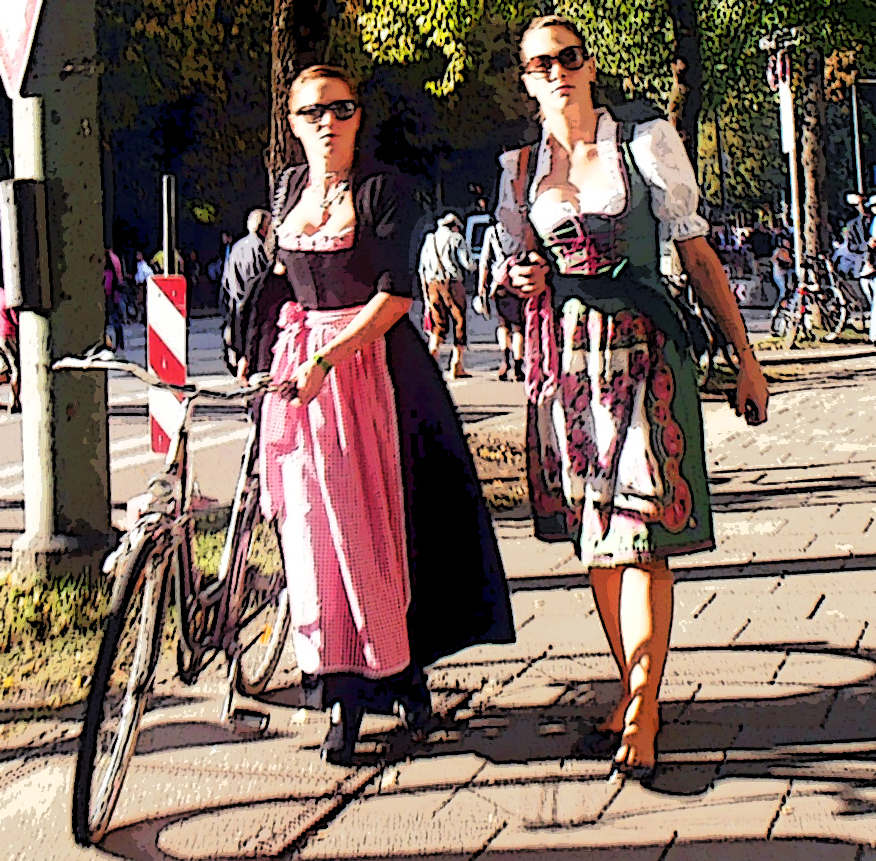
3. We tend to view people and our surroundings in more simplistic terms when we don’t understand the culture of the place we’re visiting.  Even though we know it’s not accurate, we can see only the outlines and colors of the unfamiliar instead of “the full picture.”

OLYMPUS DIGITAL CAMERA

OLYMPUS DIGITAL CAMERA

4. Buildings we’ve never seen before can be intimidating and look distorted to us, while strangers may seem larger than life.

OLYMPUS DIGITAL CAMERA

OLYMPUS DIGITAL CAMERA

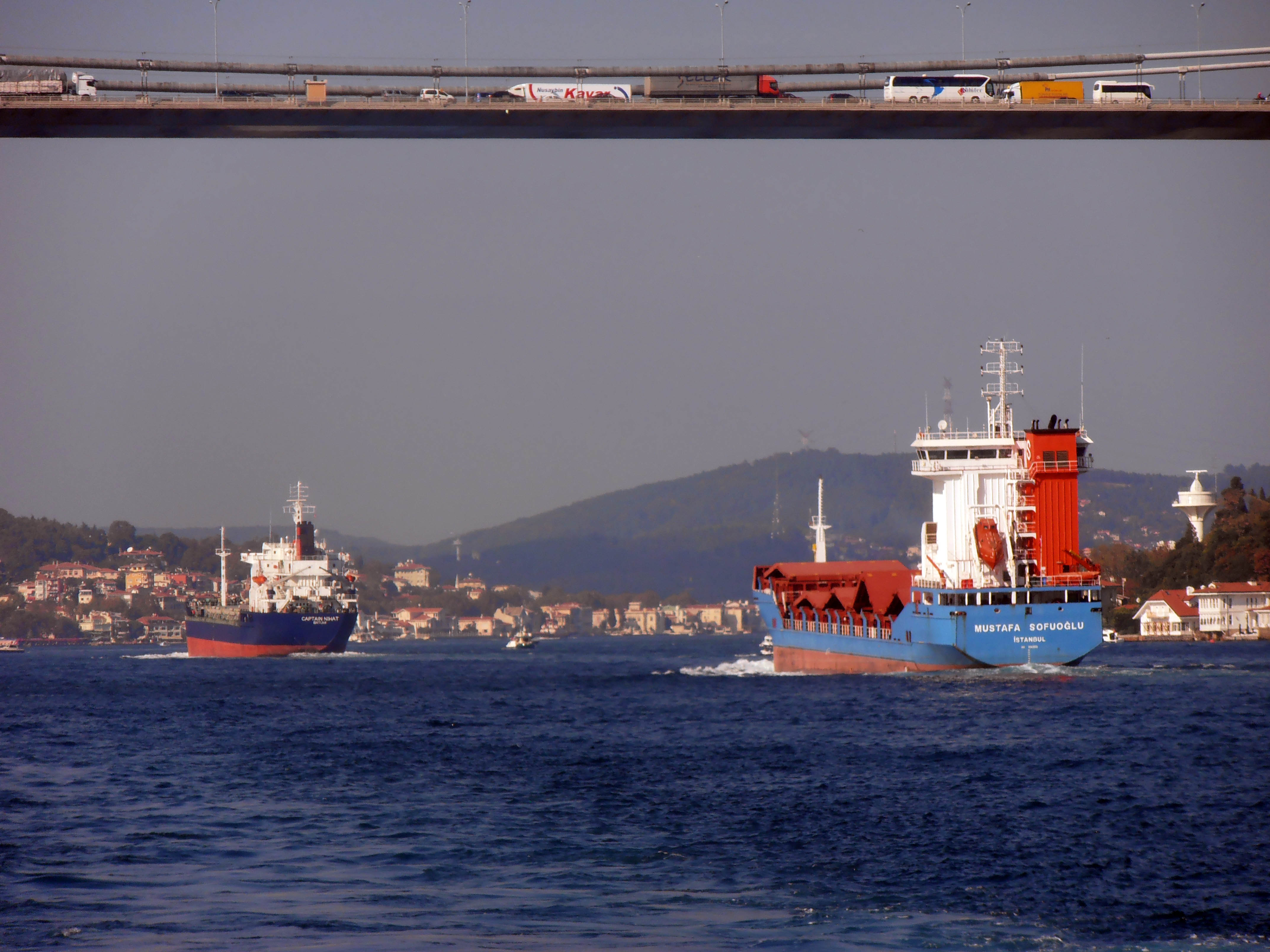
5. We can struggle to bring even the most relaxing scenes into focus, and see only a clutter of dark objects in our ship’s path.

OLYMPUS DIGITAL CAMERA

OLYMPUS DIGITAL CAMERA

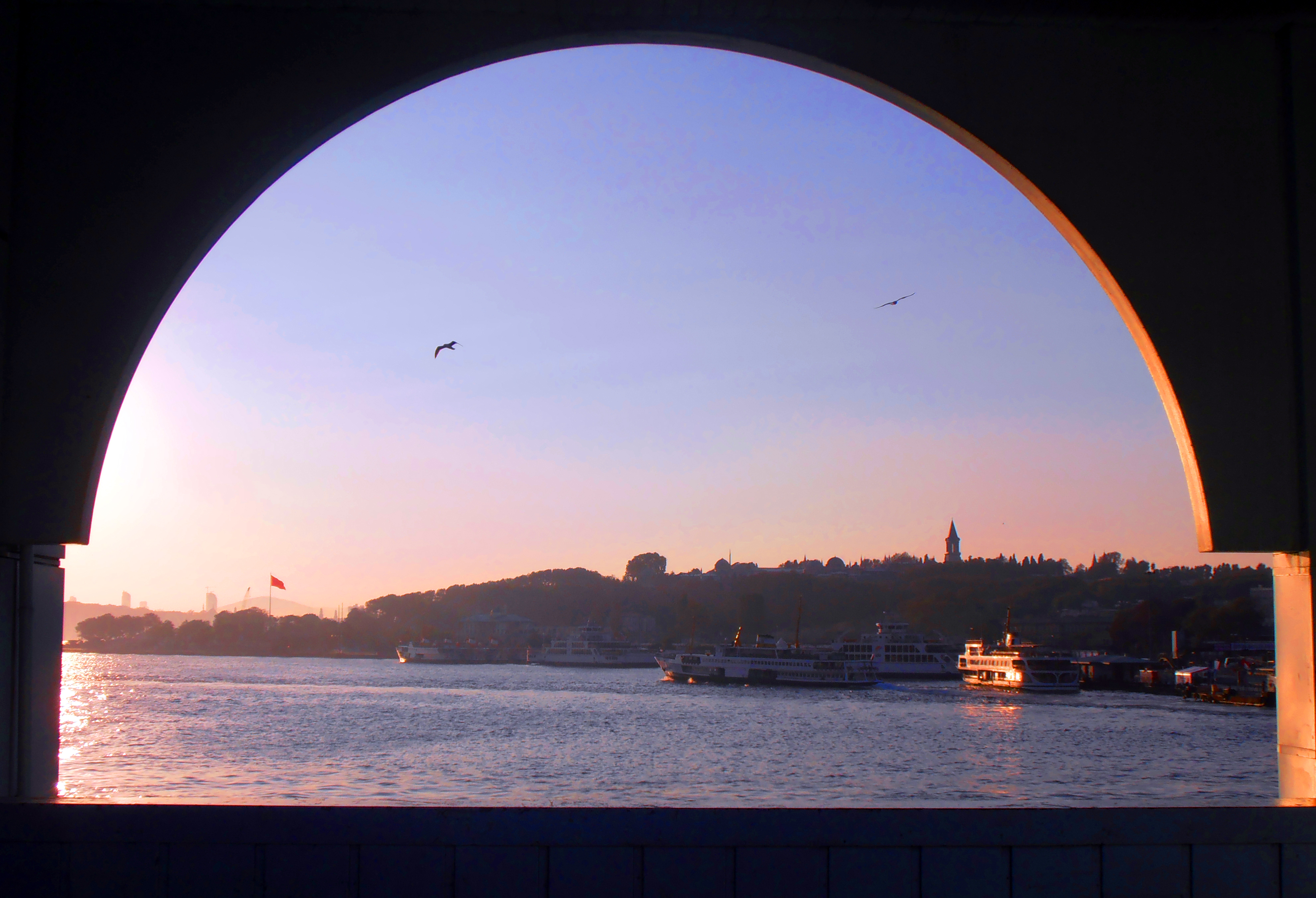
6. We may be oblivious to detail even in less distracting environments — and may barely notice the sun shining down on us.

OLYMPUS DIGITAL CAMERA

OLYMPUS DIGITAL CAMERA

7. Exotic locales can have a two-dimensional, mottled quality to them, like something we saw in a book long ago — and not quite real in front of us.

OLYMPUS DIGITAL CAMERA

OLYMPUS DIGITAL CAMERA

8. We can revert to tunnel vision, especially when we see something that looks too precarious to be true.

OLYMPUS DIGITAL CAMERA

OLYMPUS DIGITAL CAMERA

9. When we’re a bit turned around getting back to the hotel, we can literally feel pushed back or pulled forward by our surroundings — and we don’t even notice our reliable landmark in the distance.

OLYMPUS DIGITAL CAMERA

OLYMPUS DIGITAL CAMERA

10. If just being at the airport stresses you out, you may see a tube of dread waiting out on the tarmac instead of the full picture.

OLYMPUS DIGITAL CAMERA

OLYMPUS DIGITAL CAMERA

11. Know you have a stunning view outside your window? Look too hard, and you’ll see yourself staring back; relax, and you’ll be floating above the clouds.

OLYMPUS DIGITAL CAMERA

How Your Vacation Can Change Your Beliefs and Attitudes in Unexpected (and Sometimes Stressful) Ways

What’s that rumbling sound you hear when you’re sitting on the tarmac of an airport thousands of miles from home as your trip draws to a close?  Sometimes it’s not just the plane engines firing up.  It’s your thoughts swirling, and perhaps even grinding, grating, and crashing right into beliefs you’ve had for years as you have a chance to put into perspective everything you saw and did on your trip — and what you discovered about how others live in another culture.  It may be hard to comprehend, but for something that lasted only about two or three weeks, a vacation can have a tremendous influence on some of your most long-standing and innate beliefs.

These are not necessarily things we feel comfortable thinking about, or discussing with others — which makes them all the more important since they can cause you stress if you ignore them.  Here are some deeper issues many travelers struggle with at the end of (and well after) their trip that can have a significant impact on their psyche.  Chances are you may grapple with some of the same thoughts.

About religion.  Every year thousands of people convert to a different religion — from Islam to Christianity, from Christianity to Islam, from Christianity or Islam to Buddhism, from any of the above to atheism or agnosticism, etc.  Many people make this conversion after visiting a country whose religious following is different from their own.  Does that mean you will?  Probably not, but that doesn’t mean you won’t experience a change in your thoughts about the afterlife after visiting a place like The Vatican, Tehran, Jerusalem, and any other number of places.

Having these feelings can cause you anxiety depending on your religious upbringing and the attitudes of your family members (and even your friends).  Acknowledging that you could have some significant doubts, inspirations, or personal questions after your trip can make it easier for you to address them in the coming weeks or months and move forward on your personal and spiritual journey.

About race.  Want to hear a sad story?  I had a friend who wasn’t racist until he started traveling.  Going from country to country, he said, and having what he perceived to be negative experiences in developing countries, helped him see “the bell curve” and people “in their proper place”, i.e., how important it was that people had their own culture within their own borders.  Is my friend still traveling?  More than ever — and I hope I don’t run into him somewhere.

Most people become even more tolerant after they’ve been abroad and seen other branches of the human family; very few become prejudiced, or more prejudiced.  The vast majority of us will spend some time thinking about how we’re all different, how and why there’s been so much racism in the past, and what the picture of racial harmony could like like in the future.

About the importance of money.  Did you travel through impoverished villages on your trip, and have the time of your life exploring and meeting the residents?  Alternatively, are you a middle-class traveler who lived like a king or queen for a couple weeks in a developing country, simply because you could afford it?  Doing either can significantly change your perspective on what’s in your wallet, how much you think you need to lead a happy life, and what you do with your finances in the future.

About the future.  Many people feel an overwhelming sense of hope and awe over the promise of the future after they’ve been abroad.  In so many ways, humanity leaps forward every year in terms of quality of life, tolerance, development, progression, and pure inspiration and creativity.

Depending on their travel experiences, others can dwell on the more negative aspects of the human race — yes, how greedy and self-absorbed we are, how much environmental damage we’re causing, how a major world war could be coming within our lifetime, how likely there is to be a major epidemic, etc.

You shouldn’t be surprised if you experience all of the above thoughts, hopes, and fears about the future on the same flight home.  We’re all constantly dealing with the balance of good and bad, hope and pessimism, and of course, change.  Travel is synonymous with change.  How it changes you is up to you — just don’t let it cause you a lot of stress. OLYMPUS DIGITAL CAMERA

New perspectives don’t always come beautifully framed — but travel always helps us see life in a different light

Traveler’s OCD: A Real Issue, and What to Do About it

Do you consider yourself mentally healthy, but find that you do the following types of things when you travel?:

  • Checking several times to make sure that you still have your passport, that you have all your belongings, that your hotel door is locked, etc.
  • Counting people going by, particularly when you’re waiting for someone or something
  • Needing to leave the hotel room in just a certain way before you leave for the day
  • Repeating directions or instructions (to or from your destination) over and over in your head
  • Reaching for the hand sanitizer a few more times a day than is really necessary

Many people who don’t suffer from clinical Obsessive Compulsive Disorder (OCD) experience some obsessive thoughts and compulsive behavior when under the stress of travel.  We all know that there are a lot of opportunities to lose things, forget things, miss departures, and make numerous other mistakes when we move around in an unfamiliar environment — and that these mistakes can cause us some fairly large problems during our journey.  The fear of making these mistakes causes people to develop “Traveler’s OCD.”

If you have a perfectionist or “Type A” personality and are prone to being distracted from your immediate environment, some compulsive activities that you do in order to avoid making mistakes can really affect your enjoyment of a trip.  Fortunately, there are choices you can make about how and where you travel that will prevent your tics from flaring up — and from attracting attention from fellow travelers who are as laid back as they are when drifting around their own house!

Choose a smaller hotel room.  A smaller room means fewer places to put things, which means you won’t spread out as much, and are less likely to leave something behind (or worry about leaving something behind).  Stay in a suite and you have more windows, faucets, doors, etc. to think about checking before you leave every day, and far more crevices, nooks, crannies, etc. to worry about losing or misplacing something.

Use a compartmentalized travel day bag or purse.  If you have a specific place for everything in your bag, then taking a quick check (and not four, accompanied by a considerable amount of rummaging) can ensure that everything is in its place.  Travel with a gunny sack and you’ll make yourself miserable (not to mention give yourself a couple of scares if you distractedly slip your wallet into a rarely used jacket pocket instead of your bag).

Recognize that you have a finite amount of energy.  The urge to double- and triple-check things can grow with a life of its own depending on what you’re preoccupied with, and how much stress you’re under.  Traveling takes a lot of energy, and mistakes can compound faster than you can count the number of people ahead of you in the currency exchange line.  If you check your bag several times to make sure you still have your camera, for example, you could miss your bus going by, with a string of potential consequences from there.

Understand how and when you contract a virus.  This might sound like an odd suggestion, but plenty of people slather on the hand sanitizer upwards of a dozen times a day out of fear of getting ill and ruining their vacation.  In general, remember that you get sick when you spread germs by touching your eyes, nose, or mouth, and when you breathe next to someone who’s ill.  If you can be better about keeping your hands away from your face, and keeping a good personal distance from others, you’ll be a lot less likely to get ill — and only need to use the sanitizer before you eat, wash your face back at your hotel, etc.

Get enough sleep.  When you’re exhausted, you’re more likely to make mistakes and be forgetful, which can send your Traveler’s OCD into overdrive since you might actually leave something behind, or neglect to do something.

Consider your environment.  Some hotels have such formulaic, cold, and repetitive decor that it’s almost as if someone designed them to make you feel neurotic and start counting the tiles down the hallway.   Go for a place with more character and novelty, individual furnishings, and a homey atmosphere, and you’ll feel more relaxed.

Finally, places that have a fixation on quantities — like casinos and mega malls — are more likely to bring out your type-A tendencies than natural environments like parks and beaches.   Also, consider that sites and attractions featuring supernatural or religious phenomena (such as the belief that repeating the same proclamations over and over will help keep evil away) are not the best for your mental health.  Could you find a less anal-retentive activity to enjoy?  You might end up spending more money elsewhere, but at least you won’t fall asleep that night thinking about the number 6 or 13, or how often you’re blinking.
OLYMPUS DIGITAL CAMERA Don’t worry, counting your money once or twice on your trip doesn’t count as obsessive or compulsive. 

Are You a Dromomaniac? — The Ten Most Common Manias that Affect Travelers

Are you a dromomaniac (insatiable traveler)?  Of course you are — if you weren’t a xenomaniac (inquisitive folk obsessed with foreign things and places) you wouldn’t be reading this.  You’ve come to the right travel blog to find out if you’re a opsomaniac, sophomaniac, or oniomaniac when you go abroad — and how to recognize when your obsession will no longer fit under your seat or in the overhead compartment.  Hold on tight to your passport and put in the back of your head what your mother or spiritual guru told you about doing “everything in moderation.”  The real question is, how come our travel agents (or at least Travelocity’s Roaming Gnome) didn’t warn us about the top ten travel manias that can make us feel like out-and-out maniamaniacs?*

1. Ecdemomania: chronic and uncontrollable urge to wander.  It’s not enough that you indulge your travel lust to come to a place thousands of miles away; once you’re there, you can’t even sit still at your hotel, stay with your tour group, or resist following strangely-dressed locals down narrow alleyways.

2. Epomania: obsession with writing epics.  Becomes apparent when 1) your travel blog posts reach 5,000 words each, 2) you’re starting to get data storage warnings from WordPress, or 3) one of your followers discreetly suggests that just because you’re on vacation, they don’t have all the time in the world to read every blow-by-blow.

3. Oniomania: insatiable desire to shop. Rears its ugly head after you’ve swam, boogied, eaten, boozed, and tangoed your way across your charming but claustrophobic resort town, and have nothin’ else left to try.

4. Phagomania: excessive desire for food or eating. Becomes obvious when you’re 1) dining out twice in the same evening, 2) are buying more Immodium AD than Dramamine at that skanky pharmacy down from your hotel, or 3) need to work off your oniomania at the nearest clothing store since nothing you brought with you on the trip quite fits anymore.

5. Sophomania: gluttonous belief in one’s own incredible intelligence.  At its most obvious after you’ve figured out (all in the same day) how to operate an eco-toilet, hundred-year-old elevator, Azerbaijan-made bathtub faucet, and ATM machine that you would never, ever find at home.

6. Doromania: obsession with giving or buying gifts.  Crops up towards the end of your trip after you’ve spent two paychecks on things for yourself, and have one Athenian shopping street, two Turkish bazaars, and three very long airport terminals to wander through before the signature on the back of your credit card actually starts to wear off.

7. Opsomania: obsession with one kind of food.  Develops after feasting on the beloved culinary specialty of your host country for lunch and dinner every single day — especially after you remember that the most exotic thing you’re going to find to eat back home is an enchilada.

8. Islomania: fixation on islands.  Becomes more obvious after you’ve gallivanted through New Zealand, Tahiti, Hawaii, and Japan, and have your restless eye now set on The Philippines, Sicily, Iceland, or Fiji.

9. Verbomania: fixation with words. Becomes apparent when, after failing to learn a single syllable of the local language, you  scrounge for five adjectives of the same English word in the hopes that your provincial B&B host will understand one of them.

Unfortunately, there’s no diagnostic term for 10. shutterbugomania, an obsession with taking  pictures.  But, if you can identify where this photo of all the photos was taken, you’ll win a FREE copy of The Anxious Traveler.
OLYMPUS DIGITAL CAMERA

*Important note: this post is intended to offer some lighthearted fun following the tension and stress that most travelers suffer this time of year because of the 9/11 anniversary.  It’s not intended to diminish the seriousness of any mania that is interfering with your life, or the impact of bipolar disorder on mental health.  If you believe you are suffering from manic depression/bipolar disorder, you should consult a doctor.

The Top 12 Travel Phobias You May Very Well Have, and Didn’t Even Realize!

Well, summer’s over.  Got post-vacation depression?  Are you broke and tired?  Does the sound of falling leaves remind you of the sweet swish of your passport pages turning?  Now’s the time to lighten up, do some soul-searching, and take a really close look at some of the fears you may have sadly developed over the course of your recent international escapades.

Sure, you may know you have aviatophobia (fear of flying), claustrophobia (fear of enclosed spaces), xenophobia (fear of strangers), and mysophobia (fear of germs); those are all pretty common and boring.  What about all those other angst-inducing scenarios and situations that crop up as often as ridiculously cheap fares on Orbitz?  They’ve probably given you a tic or two, whether you want to admit it or not.  Let’s look at twelve real, honest-to-God, official phobias identified by scientists, psychologists, and very renowned researchers (probably ones that don’t do much traveling) that can develop when you’re vagabonding the globe.  You’ll find that they’re really nothing to laugh about!

12. Nomophobia: fear of being out of mobile phone contact.  Develops after you 1) find yourself repeatedly lost, late, drunk, or confused; 2) have once again left your cruise partner behind at the last shore excursion; or 3) are waiting to hear back from MasterCard about doubling your credit card limit now that you’re on vacation.

11. Agyrophobia: fear of crossing the road.  Of particular prominence in India, Brazil, Belarus, Azerbaijan, and other places where smiling drivers drive a perfect 40 mph in the 40 km/hr zone, use their horn only in emergencies, and wave you across the pedestrian crosswalk with all five fingers.

10. Autophobia: fear of being alone or isolated.  Develops after repeatedly encountering closed currency exchange counters, boarded-up travel info help desks, and hotel rooftop access doors that automatically lock from the inside.

9. Pedophobia: fear/dislike of children.  Of particular concern when 1) taking your middle seat on a 12-hour flight next to a screamer, across from a babbler, and behind a squealer, or 2) realizing that the average age of the other guests at your “family friendly” hotel is about ten years old.

8. Emetophobia: fear of vomiting.  At its most intense when, once again, you strike up a conversation with the beautiful person next to you after you’ve consumed vodka during turbulence.

7. Decidophobia: fear of making decisions. At its worst when your new, drunken travel partner is relying on you to find the safest way back to the hostel at 2 am, and you have no more Euros.

6. Ipovlopsychophobia: fear of having one’s photograph taken.  This is for you, ladies.  Symptoms occur after 1) the airline once again leaves behind your checked bag containing your makeup tote, 2) you’ve finally noticed the hotel security cameras, or 3) you realize your father is following your boyfriend’s blog.

5. Halitophobia: fear of bad breath.  At its most wretched when exceeding the standing room capacity of buses;  in Rome, in August, during a heat wave; and when having to make an emergency trip to a dentist in the Middle East.

4. Sesquipedalophobia: fear of long words.  Particularly prominent when trying to read the menu at a tourist-unfriendly exotic little restaurant you’re dining at with an attractive local you just picked up.

3. Disposophobia: fear of getting rid of or losing things.  Severe symptoms occur after you’ve been pickpocketed, mugged, and had a bad experience with a bellhop all on the same trip.

2. Chronophobia: fear of time and time moving forward.  Of particular concern when you start receiving airline departure check-in reminders, your coworkers start calling you, and/or you can’t even remember the beginning of your trip.

and the number one under-recognized travel phobia is …
1. Phobophobia: fear of having a phobia or fear.  Because the last thing you want to find out when you’re trying to have yourself a *$#&% good time somewhere is that you have yet another new hang-up!

Honorable mention phobia:  Ophthalmophobia (fear of being stared at, especially when you’re just trying to make sense of the local culture)

OLYMPUS DIGITAL CAMERA

Moving on: How to Leave a Place Without Stress

According to Buddhism, the root of all suffering is attachment – wisdom you may certainly understand when it’s time to leave your travel destination.  Considering that a certain beach, park, hotel, or other favorite locale existed only in your imagination weeks before, your connection to a place and reluctance to leave can be intense.  Managing these feelings is important since you don’t want them to overcome the joy of having seen them in the first place – or as the pessimistic traveler laments, Why come if I only have to leave? 

It’s not uncommon to get downright morose when you have to wind down an incredible vacation at a place you’ve fallen in love with.  The following thoughts might go through your mind:

  • Ÿ         Will I ever come here again?
  • Ÿ         What will happen here after I leave?
  • Ÿ         How will this place change without me?  Can it be “mine?”
  • Ÿ         Does it matter that I ever came here?

These feelings and doubts can resemble separation anxiety.  How significant this anxiety is depends on

  1. how much of an emotional connection you’ve made to a place, and
  2. how difficult it is to physically make your way back to it.

The answers to those two questions can vary widely, but here are some general recommendations for moving on without trauma.

Leave a piece of yourself.  More tourists than would care to admit leave a part of themselves behind at a place they love – anything from a strand of hair to engravings on a tree, to things that border on defacement or ecological damage.  An environmentally friendly way to leave your mark is to pen your name and the date on a small, loose rock and put it back where it was on a trail or thoroughfare.

Take a piece with you.  There’s a reason that the souvenir industry is valued at billions of dollars; people want a symbol or a token of their experience somewhere, even if their only “connection” with it was at a local club.  If you don’t care for either synthetic, mass-produced trinkets or museum-type expensive souvenirs, then take a piece of a place, literally: some stones, shells, a feather, or a piece of wood or bark.  Holding these items long after you’ve left can put you back in the moment of your tremendous experience.

Keep a travel log.  No, not your blog, but something more personal, something only for you.  A travel log doesn’t have to take the form of a written journal; depending on how much you (don’t) like to write, you can tape- or video-record your experiences and impressions.  Another option is to keep a notebook, but only record the facts, events, and people you encountered each day.  Your memory will fill in the rest of the details as you mentally journey back later on.

You can also draw on a map where you went, with brief notes at each street or block that will remind you of something special; or pick a new piece of music to play while you are enjoying the place, that will always remind you of where you were when you first heard it.

Virtual visits.  If your time at a place is too limited for you to manage a travel log, note that there are thousands of YouTube internet videos featuring beloved travel sites, and they are viewable by anyone.  Some of them are amazingly done and might even showcase something you never noticed about a place.  Although it’s not going to be as special or personalized as something you put together, knowing you can make a “virtual visit” can help you move on.

Plan to return.  Promise yourself to come back to the place.  If you’ve come once, you can come again, and most incredible sites don’t just get up and leave.  They can evolve, however, so keep abreast of the place by going to its webpage.  If you find out that it’s destined to change (and not necessarily to your liking), time an upcoming visit to enjoy it one more time as you remembered it.

OLYMPUS DIGITAL CAMERAIt’s time to leave.  Can I just take this whole beach home with me?

You Did WHAT on Your Trip?! Travel, Adrenaline, and Taking Risks: The Connection

Have you ever sat next to someone like this on the plane ride home from your vacation?:

  • A 45-year old woman with a bulging disc in her spine who felt so fantastic in Auckland that she went bungy jumping… then wondered why she couldn’t walk the next morning
  • A bipolar, alcoholic Swede who blew his entire food budget to take a helicopter ride over a volcano blowing near Reykjavik
  • A guy arrested for slipping into St. Basil’s Cathedral for his own “private tour.”  Twice.
  • A 25-year-old woman from Australia who decided to learn how to drive on the right…  on the Autobahn

Do these things sound crazy, stupid, reckless, and just plain thrilling?  Before you answer, think about some of the things you’ve done on a trip that have made you, well, question your better judgment.   I’ll even leave room for you to mentally write them out:

____________________________________________________________________________________________
(yeah…)

____________________________________________________________________________________________
(but)

____________________________________________________________________________________________
(it was)

____________________________________________________________________________________________
(SO)

____________________________________________________________________________________________
(exciting)

Are you smiling, or grimacing?  Well, it probably depends on how your adventure turned out.  You may want to roll your head in your hands and say, what was I thinking? Or you may want to say: Hell, yeah.  What happened in _______ stays in _______.  And you know: you’d never pull such a “stunt” at home.

We do different things in a new and different environment; that’s one reason travel makes us feel so good, makes us feel so alive again.  We see something we like, and we do it.  It‘s quite often as simple as that.  The future doesn’t enter much into our minds.  We haven’t had time to obsess over the consequences.  And the same often holds true whether you are a natural daredevil — or a hesitant, and even anxious person.

It’s in the latter case that the effects of travel-inspired risk-taking can rear their ugly head.  Many sensitive, cautious individuals have low tolerances for stress, or — to put it more eloquently — for “shit happening.”  The violate their personal limits more easily; they raise the stakes on their psychological well-being.   If things work out, they feel euphoric.  If their risk ends up in minor (or major) disaster, they can feel terrified and regretful.

All four of my plane mates briefly described above — Terri, Edvard, Josh, and Amy — are what I’d describe as hesitant, cautious people.  Maybe even worrywarts.  Certainly, people who view the glass as half-full only as long as things are going “as they should.”   And yet they did what they did.  I could tell that each of them would spend a lot of time thinking about their thrill-seeking quests.  They would probably have some psychological scars.  They were amazed — and scared — over what a short memory they’d had when they decided to seize the moment.  Their own tunnel vision both frightened them and inspired them.  And finally, I got the sense that most of them were going to become bold wanderlusts; maybe even minor adrenaline junkies.  (Amy is still fighting with her car insurance company.)

So what happens for you when you cross the line from adventurous to risk-taker? Do you feel thrilled, or just plain reckless?  Many times, that extra shot of adrenaline helps you do something that you never thought you could pull off.    There’s a big long definition for adrenaline, but I have a simple description: it’s that stir of now setting both your mind and body free.

Some of the happiest travelers I’ve met live like they’re not planning to come back home from their vacation.  That might not be you — or it may be you to a lesser degree.  Either way, we get a high off that first impulse, that first sense of possibility.  It keeps us traveling; it keeps us moving forward.  It keeps us thrilled.

OLYMPUS DIGITAL CAMERA  Wow, that looks great!  And this whiplash of mine is, like, almost totally healed

Afraid to Vacation in These Places? You’re Not Alone

Should you visit them anyway?  Absolutely, if you’ve dreamed of going there for years.

Where, exactly, am I talking about?  Egypt?  Yemen?  Mali?  El Salvador?  No, I don’t mean countries that are considered major and immediate threats to your safety and security, and routinely make the State Department’s travel warning list.   I’m talking about six major global cities that many tourists shy away from for various reasons: concerns about their geopolitical position,  racism, unfamiliar laws, severe air pollution, military unrest, and other hazards that have a statistically minimal chance of  threatening your well-being on a trip.   These cities have dubious reputations — and yet they offer visitors an amazing array of things to do and see that outweigh their drawbacks every time.  Without further ado, these are my picks of the  greatest big cities you might be missing out on.

1. Seoul, South Korea.  This Asian gem has the drawback of being only about 40 miles away from the border of one of the most dangerous dictatorships on the planet.  And yes, North Korea has threatened Seoul many times — and not a whole lot has happened.  Year in and year out, Seoul is on par with Tokyo in terms of its appeal: ultra-modern, with a high standard of living and brimming with cultural treasures, attractions, and great shopping and dining — and boasting some of the safest streets in Asia.  Yet people stay away in favor of Japanese and Chinese cities that are a lot farther outside a possible North Korean missile strike.  What if?  What if?  What if you got on a plane to see Seoul in addition to Tokyo and Beijing?  Your chances of getting trapped in a North Korean air raid are about the same as your likelihood of never reading another blog for the rest of your life.

2. Cape Town, South Africa.  When most people think of South Africa, three things usually come to mind: soccer, racism, and crime.  While it’s true that crime rates are high in South Africa, and that the devastation caused by apartheid can still rear its ugly head, Cape Town does not suffer from these problems nearly as much as the capital city of  Johannesburg.  And this doesn’t even begin to give Cape Town the credit it deserves for being such an amazing destination: on the ocean, full of natural wonders and cosmopolitan nightlife, and teeming with friendly and open-minded people.  Still make you uncomfortable to go somewhere that’s been so deeply affected by racism?  Go there, smile, have a drink, start talking and forget what you and everyone else looks like.

3. Macau (Special Administrative Region of China).  This densely populated “Las Vegas of China” has often gotten bad press for its untamed casino life, toxic air pollution, and chaotic, pedestrian-unfriendly streets.  It’s also one of only two great cities in China that most Westerners can visit without a visa — and it’s a short, very scenic ferry ride from Hong Kong .  Yes, you don’t want to breathe deeply in Macau; you don’t want to head there restless either, since the whole SAR is only about twelve square miles.  Perhaps that’s why most people are in the casinos — and when the air does clear after a good rainstorm, go outside and check out some of the amazing architecture inspired by the fusion of classic Chinese style and Portuguese colonialism.  ( Just make sure not to jaywalk.)

4. Singapore. At first, Singapore might seem like an odd pick for this list.  But does anyone remember Michael Fay?  He’s the young American who, in 1994, was caned and imprisoned for four months for non-violent crimes (vandalism and theft).  Since then, Singapore has been as notorious for its draconian laws as its diverse attractions and spotless streets.  If you tend to do reckless or impulsive things when traveling (particularly when drunk and not in full control of your inhibitions) you might fear doing something in Singapore that could cost you time in jail, or worse.  Even slobs or gum-snappers may have a hard time (forget to flush a public toilet?  You could be fined.  And don’t bring chewing gum into the country).   So what do you do?  Recognize how easy it is to assimilate.  Surrounded by law-abiding, respectful citizens in the downtown area, in the malls, and at the tourist attractions, you’ll realize how painless it is to take a cue from other folks and be on your best behavior.  And because it’s Singapore, your chance of being the victim of theft, assault, and tourist scams are slim to none.

5. Belgrad, Serbia.  Many of us are old enough to remember the carnage of the Balkans War unfold on TV in the 90s.  The war is long over and several functioning democracies have emerged from the former Yugoslavia — but since Serbian rebels were blamed for the bulk of the violence and ethnic cleansing in the 90s war, a negative view of Serbia, and its capital Belgrad, persists.  Is it fair?  If travel teaches us anything, it’s to not stereotype cultures, or hold individuals accountable for sins committed by armies over fifteen years ago.  Last I checked, Belgrad is a vibrant, intriguing city where multiculturalism works, and the welcome mat is laid out for the curious tourist.

6. Tel Aviv, Israel. The number of security issues Tel Aviv faces on a weekly, monthly, and yearly basis might cause anyone to cross this incredible city off their travel wish-list.  Who, you might think, wants to step into the “state of perpetual turmoil”?  Well, lots of tourists, every season of the year.  They’ve discovered that the city’s inhabitants are a special breed entirely — resilient, determined people who manage their fate of constant uncertainty by knowing how to have a good time, and knowing how to make the most of every day.  Israel is not going to solve its problems anytime soon — and Tel Aviv is not exactly “going anywhere.”  You might as well drop in, go to the beach, exercise the usual safety precautions, and have an incredible cultural experience.

OLYMPUS DIGITAL CAMERA

Nervous about venturing outside the “quintessential” and “safe” vacation spots?   It’s natural — but pack your common sense, and go anyway