
relaxation
How to Find a Quiet Place to Relax in a Crowded Foreign City
Do you often come back from a trip and feel like you need a “vacation to recover from your vacation?” You’re not alone.
Many people feel this way because they didn’t let themselves decompress at any time while they were away. Given the greater emotional and physical energy exerted during a trip, it’s easy to feel drained or overstimulated during and after travel. Finding a tranquil place to relax and regroup during your trip is one of the most obvious ways to prevent mental or emotional burnout — and keep every day of your vacation feeling (almost) like the first day you arrived.
Unfortunately, traditional “quiet” places may turn into anything but if everyone else decides to go there for their own relaxation. Think of oceanside cafés that get so loud you can’t hear the waves washing up; well-known churches that sound like malls inside; and parks that put you in the path of an impromptu tag game – hardly anyone’s idea of peace. Don’t think you have to return to your hotel room mid-day, or wander into an isolated (and potentially dangerous) area in order to “get away from it all.” Here are a few universal, but often overlooked, places to unwind.
Botanical gardens. These can sound like a bore to those not interested in plants, but botanical gardens have all of the relaxing characteristics of parks, but because of the (usually) small entrance fee, attract a different crowd; your chances of encountering skateboarding teenagers, drunks, or soccer practice are slim to none. There is usually no shortage of places to sit down, and you can generally stay as long as you want after paying the day’s admission.
Universities. Many universities have the look and feel of self-sustaining villages, and you’d have a hard time finding one without some green areas and benches (and often a pond and some wildlife). Frat and sorority houses are less common outside North America, and while there’s obviously going to be plenty of activity on the main thoroughfares on weekdays, the overall atmosphere – especially on weekends – is subdued. Another plus is that many universities are easily accessed within metropolitan areas, and even the grounds of most private universities are open to anyone.
Zoos. You’d be hard pressed to find a zoo without an attractive, natural setting – and interacting with (or just watching) animals can quickly pull you out of your head and back into the moment. About half of all major world cities have a zoo within three miles of tourist areas. Try visiting on a weekday evening, or mid-afternoon after school groups have cleared out.
Embassy areas. These neighborhoods are particularly prominent in capital cities, and are often in easily accessible areas. Although there aren’t many places to sit down, they are certainly a great place for a quiet stroll. Embassy neighborhoods are rarely crowded, aesthetically pleasing, and you can let your guard down because security is second to none.
Stationed trains. Particularly in European cities, long-distance trains pull into a station well before departure – by an hour, and sometimes more (especially if your city is the route terminus). A parked train can be a very peaceful alternative to trying to rest your mind and feet in the chaotic main station hallway. I’ve done it many times and not been bothered by attendants or conductors (unlike airplanes, which are usually swept and cleaned after every flight, the usual train is only serviced at the end of the day).
Obviously, you need to make sure the train doesn’t roll away taking you someplace you don’t want to go, but the chances of this happening are minimal as you’ll notice people start trickling in about ten minutes before departure.
Off-hours and hideaways in hotels. After the maids have come through, and before the next round of guests check in, is an ideal time to get some peace in your hotel room, especially if it’s anything but tranquil in the evening and early morning. The ideal time window is usually between noon and three p.m.
If you’ve already checked out of a hotel, don’t feel bad about relaxing in the lobby a few hours after giving up your key. It’s unlikely that any hotel employee will ask you to leave just because you’re done and paid for; after all, they want you to come back on your next trip, and write a nice online review about your stay.
Finally, a surprising number of hotels – particularly in Europe – have rooftop terraces. These are often underutilized, because 1) guests aren’t aware of them, or 2) they simply forget to head up there. The terrace can be a great escape when everyone else on your floor seems to be checking in, or coming in and out of their rooms, at the same time. An added benefit is that you get to see the city from a bird’s-eye view, which can make it look less intimidating and give you a better perspective of where you are.
Airport quiet spots. For some peace and space, many people know to head to the waiting area of a deserted gate. Less commonly sought, but equally quiet places include interdenominational chapels (many international airports have one, and you don’t have to pray in order to use the room), and the lobbies of pre-check-in areas. Most people automatically rush to the check-in counter and through security when they arrive at the airport, passing by many empty waiting areas adjacent to the airline ticket counters.

It’s not always realistic to find a place like this to unwind, but there are still plenty of places to relax out there — if you know where to look. (Pictured: Suomenlinna, Helsinki, Finland.)
Montevideo: South America’s Urban Realm of Calm
Montevideo, the capital of Uruguay, is perpetually overshadowed by its more glamorous neighbors, Buenos Aires and Rio de Janeiro. Sure, millions of people love BA and Rio, but if your stress has reached unhealthy levels, they’re not the best cities in which to unwind. If you’re planning a dream trip to South America, be sure to fit Montevideo into your itinerary — preferably in the middle of all that tango-dancing, bullfight-riding, favela-touring, and bargain shopping. Montevideo, Uruguay offers the perfect respite to recover from a bout of anxiety.

The Rambla stretches along a dozen miles of the Montevideo’s coastline. But where are all the crowds?

Not quite The Caribbean, but Montevideo’s beaches are stunningly pristine considering the number of people who live here.

Solo moment anyone?

Make new friends who won’t judge you by your suitcase brand or your credit card limit.

Feel your anxiety drift into the ocean breeze…

The relative chaos of Rio and Buenos Aires will feel thousands of miles away.

Find new ways to meditate — and forget your Xanax.
How to Find a Quiet Place to Relax in a Crowded Foreign City
Do you often come back from a trip and feel like you need a “vacation to recover from your vacation?” You’re not alone.
Many people feel this way because they didn’t let themselves decompress at any time while they were away. Given the greater emotional and physical energy exerted during a trip, it’s easy to feel drained or overstimulated during and after travel. Finding a tranquil place to relax and regroup during your trip is one of the most obvious ways to prevent mental or emotional burnout — and keep every day of your vacation feeling (almost) like the first day you arrived.
Unfortunately, traditional “quiet” places may turn into anything but if everyone else decides to go there for their own relaxation. Think of oceanside cafés that get so loud you can’t hear the waves washing up; well-known churches that sound like malls inside; and parks that put you in the path of an impromptu tag game – hardly anyone’s idea of peace. Don’t think you have to return to your hotel room mid-day, or wander into an isolated (and potentially dangerous) area in order to “get away from it all.” Here are a few universal, but often overlooked, places to unwind.
Botanical gardens. These can sound like a bore to those not interested in plants, but botanical gardens have all of the relaxing characteristics of parks, but because of the (usually) small entrance fee, attract a different crowd; your chances of encountering skateboarding teenagers, drunks, or soccer practice are slim to none. There is usually no shortage of places to sit down, and you can generally stay as long as you want after paying the day’s admission.
Universities. Many universities have the look and feel of self-sustaining villages, and you’d have a hard time finding one without some green areas and benches (and often a pond and some wildlife). Frat and sorority houses are less common outside North America, and while there’s obviously going to be plenty of activity on the main thoroughfares on weekdays, the overall atmosphere – especially on weekends – is subdued. Another plus is that many universities are easily accessed within metropolitan areas, and even the grounds of most private universities are open to anyone.
Zoos. You’d be hard pressed to find a zoo without an attractive, natural setting – and interacting with (or just watching) animals can quickly pull you out of your head and back into the moment. About half of all major world cities have a zoo within three miles of tourist areas. Try visiting on a weekday evening, or mid-afternoon after school groups have cleared out.
Embassy areas. These neighborhoods are particularly prominent in capital cities, and are often in easily accessible areas. Although there aren’t many places to sit down, they are certainly a great place for a quiet stroll. Embassy neighborhoods are rarely crowded, aesthetically pleasing, and you can let your guard down because security is second to none.
Stationed trains. Particularly in European cities, long-distance trains pull into a station well before departure – by an hour, and sometimes more (especially if your city is the route terminus). A parked train can be a very peaceful alternative to trying to rest your mind and feet in the chaotic main station hallway. I’ve done it many times and not been bothered by attendants or conductors (unlike airplanes, which are usually swept and cleaned after every flight, the usual train is only serviced at the end of the day).
Obviously, you need to make sure the train doesn’t roll away taking you someplace you don’t want to go, but the chances of this happening are minimal as you’ll notice people start trickling in about ten minutes before departure.
Off-hours and hideaways in hotels. After the maids have come through, and before the next round of guests check in, is an ideal time to get some peace in your hotel room, especially if it’s anything but tranquil in the evening and early morning. The ideal time window is usually between noon and three p.m.
If you’ve already checked out of a hotel, don’t feel bad about relaxing in the lobby a few hours after giving up your key. It’s unlikely that any hotel employee will ask you to leave just because you’re done and paid for; after all, they want you to come back on your next trip, and write a nice online review about your stay.
Finally, a surprising number of hotels – particularly in Europe – have rooftop terraces. These are often underutilized, because 1) guests aren’t aware of them, or 2) they simply forget to head up there. The terrace can be a great escape when everyone else on your floor seems to be checking in, or coming in and out of their rooms, at the same time. An added benefit is that you get to see the city from a bird’s-eye view, which can make it look less intimidating and give you a better perspective of where you are.
Airport quiet spots. For some peace and space, many people know to head to the waiting area of a deserted gate. Less commonly sought, but equally quiet places include interdenominational chapels (many international airports have one, and you don’t have to pray in order to use the room), and the lobbies of pre-check-in areas. Most people automatically rush to the check-in counter and through security when they arrive at the airport, passing by many empty waiting areas adjacent to the airline ticket counters.
It’s not always realistic to find a place like this to unwind, but there are still plenty of places to relax out there — if you know where to look. (Pictured: Suomenlinna, Helsinki, Finland.)
How to Relax in Russia: Some Tasty Suggestions
Mmm. Russia isn’t anyone’s idea of a great place to de-stress these days, is it? War… invasions… questionable allies… political incorrectness up the yin-yang…nasty stewardesses on Aeroflot… I mean, how do you spell anxiety in Cyrillic?
Perhaps the path to inner peace in Russia is not through its heart, but its stomach. Look around on your next real or virtual visit to the Matryoshka Motherland, and feast your eyes — and your soul. Much of its two urban gems, Moscow and St. Peterburg, are pretty enough to eat. And when I say “pretty,” I mean that the czars of times past didn’t exactly hold back on the sumptuous domes, cake-grade colors, and sugary paint. So the next time Putin’s ugly mug gives you indigestion, try biting off a piece of Russia’s calorie-laden beauty… your blood pressure (if not your glucose levels) will plummet.

Raspberry swirl meets dark chocolate and caramel. (St. Petersburg)

The Bolshoi ballerinas don’t eat much, but you can gorge on their pastel palace (The Bolshoi Theater, Moscow)

Russian take on the Gingerbread House? (Red Square, Moscow)

Somewhere, a wedding is missing the top of its cake (Smolniy Convent, St. Petersburg)

Pour me a river of chocolate syrup to enjoy this one (Neva River, Moscow)

I would like my three scoops of scenery with extra sprinkles, please. (Novodevichiy Convent, Moscow)

Another cupcake, please — just go easy on the frosting. (St. Basil’s Cathedral, Moscow)

This peach pastry just needs some vanilla wafers (Kazan Cathedral, Moscow)

Jell-O has never tasted this good (outside Red Square, Moscow)

Forget the mint icing; I’ll take this one with brown sugar (Red Square, Moscow)

A spy’s fantasy of the perfect lemon tart? (Peter and Paul Fortress, St. Petersburg)
Bangkok: The Perfect Place to Unwind?
I know this: Bangkok is never going to make the list of top ten tranquil vacation destinations in the world. Suicidal tuk-tuk drivers, miles of sky-train soaring over one’s head, loud Thai folk music, gargantuan malls, canals cheerfully gargling with life, and enough shrine incense to get you high won’t exactly raise you to a Zen-like state. Instead, you’ll get so caught up in the activity around you that you’ll completely deprogram. What was so important in my life before I came to Bangkok? you’ll wonder.
Those candied colors and warm faces swirling around you will reassure you that everything you need to feel really good is right here. The tension will slowly leave your body and your headaches will become a thing of last week — I mean, of the past. Your heartburn will go away (as long as you stay off of Khao San Road) and your blood pressure will lower as smoothly as Buddha’s arm.
So why isn’t Bangkok on your short-list? Never mind, just take this virtual stroll with me.

On the stroll to the Golden Mount.
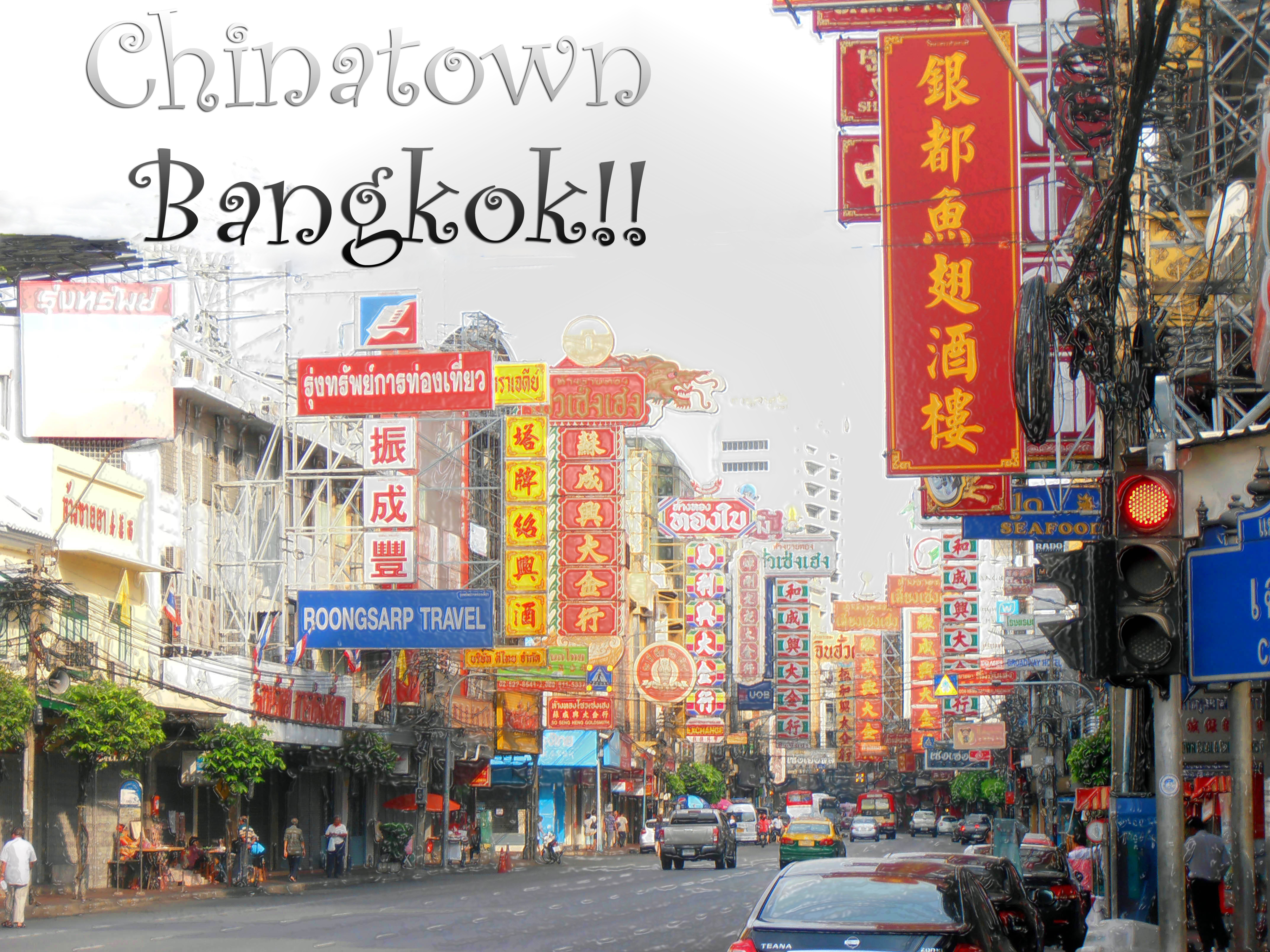
Bring your cash and your sense of humor!

You are delusional if you think these tuk-tuks come with seat belts.

Asiatique, new fixture in Bangkok.

Khao San Road, home to motorcyclists, mercenaries, muggers, and misfits.

This is the view from my taxi.

Be sure to wrap your expensive electronics in plastic on the streets, or a drive-by squirting may result in your panic attack.

Another gorgeous shrine to help you relax.
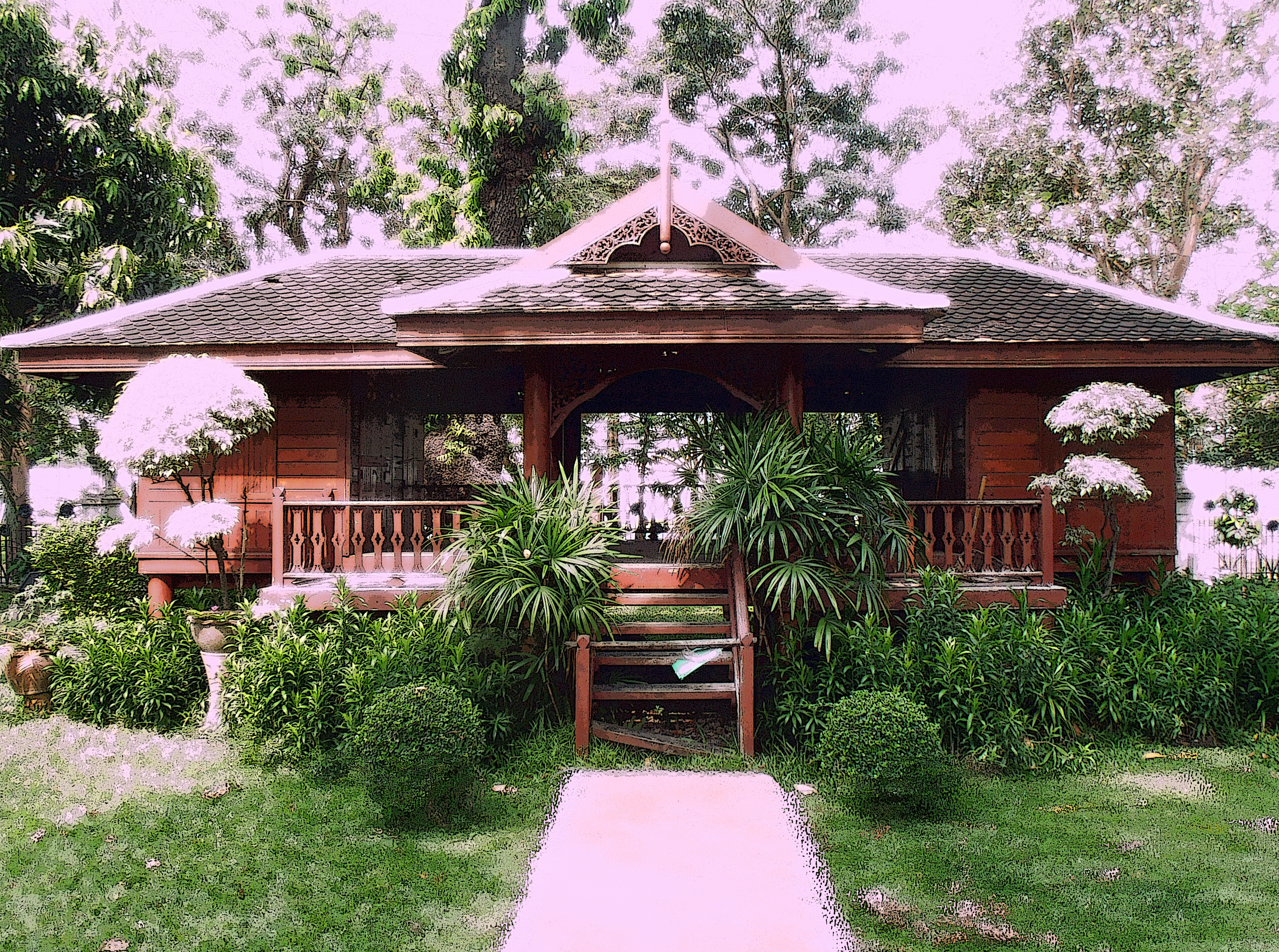
The people who live here have never heard of Prozac.

The mystique of the monastery

Home sweet home on the Chao Phraya River.

You, too, can find inner peace under a gray sky.

Bangkok’s canals provide a restive retreat from the hectic pace of the cit — never mind, just get in.

I’d like my place of worship all in pastels, please. (Gosh my local church needs a makeover.)

Something about Buddha can just make you feel trippy.

Quintessential Thailand.

What Bangkok looks like when you’re still really jet-lagged. But at this point, you don’t care!
How to Find a Quiet Place to Relax in a Crowded Foreign City
Do you often come back from a trip and feel like you need a “vacation to recover from your vacation?” You’re not alone.
Many people feel this way because they didn’t let themselves decompress at any time while they were away. Given the greater emotional and physical energy exerted during a trip, it’s easy to feel drained or overstimulated during and after travel. Finding a tranquil place to relax and regroup during your trip is one of the most obvious ways to prevent mental or emotional burnout — and keep every day of your vacation feeling (almost) like the first day you arrived.
Unfortunately, traditional “quiet” places may turn into anything but if everyone else decides to go there for their own relaxation. Think of oceanside cafés that get so loud you can’t hear the waves washing up; well-known churches that sound like malls inside; and parks that put you in the path of an impromptu tag game – hardly anyone’s idea of peace. Don’t think you have to return to your hotel room mid-day, or wander into an isolated (and potentially dangerous) area in order to “get away from it all.” Here are a few universal, but often overlooked, places to unwind.
Botanical gardens. These can sound like a bore to those not interested in plants, but botanical gardens have all of the relaxing characteristics of parks, but because of the (usually) small entrance fee, attract a different crowd; your chances of encountering skateboarding teenagers, drunks, or soccer practice are slim to none. There is usually no shortage of places to sit down, and you can generally stay as long as you want after paying the day’s admission.
Universities. Many universities have the look and feel of self-sustaining villages, and you’d have a hard time finding one without some green areas and benches (and often a pond and some wildlife). Frat and sorority houses are less common outside North America, and while there’s obviously going to be plenty of activity on the main thoroughfares on weekdays, the overall atmosphere – especially on weekends – is subdued. Another plus is that many universities are easily accessed within metropolitan areas, and even the grounds of most private universities are open to anyone.
Zoos. You’d be hard pressed to find a zoo without an attractive, natural setting – and interacting with (or just watching) animals can quickly pull you out of your head and back into the moment. About half of all major world cities have a zoo within three miles of tourist areas. Try visiting on a weekday evening, or mid-afternoon after school groups have cleared out.
Embassy areas. These neighborhoods are particularly prominent in capital cities, and are often in easily accessible areas. Although there aren’t many places to sit down, they are certainly a great place for a quiet stroll. Embassy neighborhoods are rarely crowded, aesthetically pleasing, and you can let your guard down because security is second to none.
Stationed trains. Particularly in European cities, long-distance trains pull into a station well before departure – by an hour, and sometimes more (especially if your city is the route terminus). A parked train can be a very peaceful alternative to trying to rest your mind and feet in the chaotic main station hallway. I’ve done it many times and not been bothered by attendants or conductors (unlike airplanes, which are usually swept and cleaned after every flight, the usual train is only serviced at the end of the day).
Obviously, you need to make sure the train doesn’t roll away taking you someplace you don’t want to go, but the chances of this happening are minimal as you’ll notice people start trickling in about ten minutes before departure.
Off-hours and hideaways in hotels. After the maids have come through, and before the next round of guests check in, is an ideal time to get some peace in your hotel room, especially if it’s anything but tranquil in the evening and early morning. The ideal time window is usually between noon and three p.m.
If you’ve already checked out of a hotel, don’t feel bad about relaxing in the lobby a few hours after giving up your key. It’s unlikely that any hotel employee will ask you to leave just because you’re done and paid for; after all, they want you to come back on your next trip, and write a nice online review about your stay.
Finally, a surprising number of hotels – particularly in Europe – have rooftop terraces. These are often underutilized, because 1) guests aren’t aware of them, or 2) they simply forget to head up there. The terrace can be a great escape when everyone else on your floor seems to be checking in, or coming in and out of their rooms, at the same time. An added benefit is that you get to see the city from a bird’s-eye view, which can make it look less intimidating and give you a better perspective of where you are.
Airport quiet spots. For some peace and space, many people know to head to the waiting area of a deserted gate. Less commonly sought, but equally quiet places include interdenominational chapels (many international airports have one, and you don’t have to pray in order to use the room), and the lobbies of pre-check-in areas. Most people automatically rush to the check-in counter and through security when they arrive at the airport, passing by many empty waiting areas adjacent to the airline ticket counters.
It’s not always realistic to find a place like this to unwind, but there are still plenty of places to relax out there — if you know where to look. (Pictured: Suomenlinna, Helsinki, Finland.)
Moving on: How to Leave a Place Without Stress
According to Buddhism, the root of all suffering is attachment – wisdom you may certainly understand when it’s time to leave your travel destination. Considering that a certain beach, park, hotel, or other favorite locale existed only in your imagination weeks before, your connection to a place and reluctance to leave can be intense. Managing these feelings is important since you don’t want them to overcome the joy of having seen them in the first place – or as the pessimistic traveler laments, Why come if I only have to leave?
It’s not uncommon to get downright morose when you have to wind down an incredible vacation at a place you’ve fallen in love with. The following thoughts might go through your mind:
- Will I ever come here again?
- What will happen here after I leave?
- How will this place change without me? Can it be “mine?”
- Does it matter that I ever came here?
These feelings and doubts can resemble separation anxiety. How significant this anxiety is depends on
- how much of an emotional connection you’ve made to a place, and
- how difficult it is to physically make your way back to it.
The answers to those two questions can vary widely, but here are some general recommendations for moving on without trauma.
Leave a piece of yourself. More tourists than would care to admit leave a part of themselves behind at a place they love – anything from a strand of hair to engravings on a tree, to things that border on defacement or ecological damage. An environmentally friendly way to leave your mark is to pen your name and the date on a small, loose rock and put it back where it was on a trail or thoroughfare.
Take a piece with you. There’s a reason that the souvenir industry is valued at billions of dollars; people want a symbol or a token of their experience somewhere, even if their only “connection” with it was at a local club. If you don’t care for either synthetic, mass-produced trinkets or museum-type expensive souvenirs, then take a piece of a place, literally: some stones, shells, a feather, or a piece of wood or bark. Holding these items long after you’ve left can put you back in the moment of your tremendous experience.
Keep a travel log. No, not your blog, but something more personal, something only for you. A travel log doesn’t have to take the form of a written journal; depending on how much you (don’t) like to write, you can tape- or video-record your experiences and impressions. Another option is to keep a notebook, but only record the facts, events, and people you encountered each day. Your memory will fill in the rest of the details as you mentally journey back later on.
You can also draw on a map where you went, with brief notes at each street or block that will remind you of something special; or pick a new piece of music to play while you are enjoying the place, that will always remind you of where you were when you first heard it.
Virtual visits. If your time at a place is too limited for you to manage a travel log, note that there are thousands of YouTube internet videos featuring beloved travel sites, and they are viewable by anyone. Some of them are amazingly done and might even showcase something you never noticed about a place. Although it’s not going to be as special or personalized as something you put together, knowing you can make a “virtual visit” can help you move on.
Plan to return. Promise yourself to come back to the place. If you’ve come once, you can come again, and most incredible sites don’t just get up and leave. They can evolve, however, so keep abreast of the place by going to its webpage. If you find out that it’s destined to change (and not necessarily to your liking), time an upcoming visit to enjoy it one more time as you remembered it.
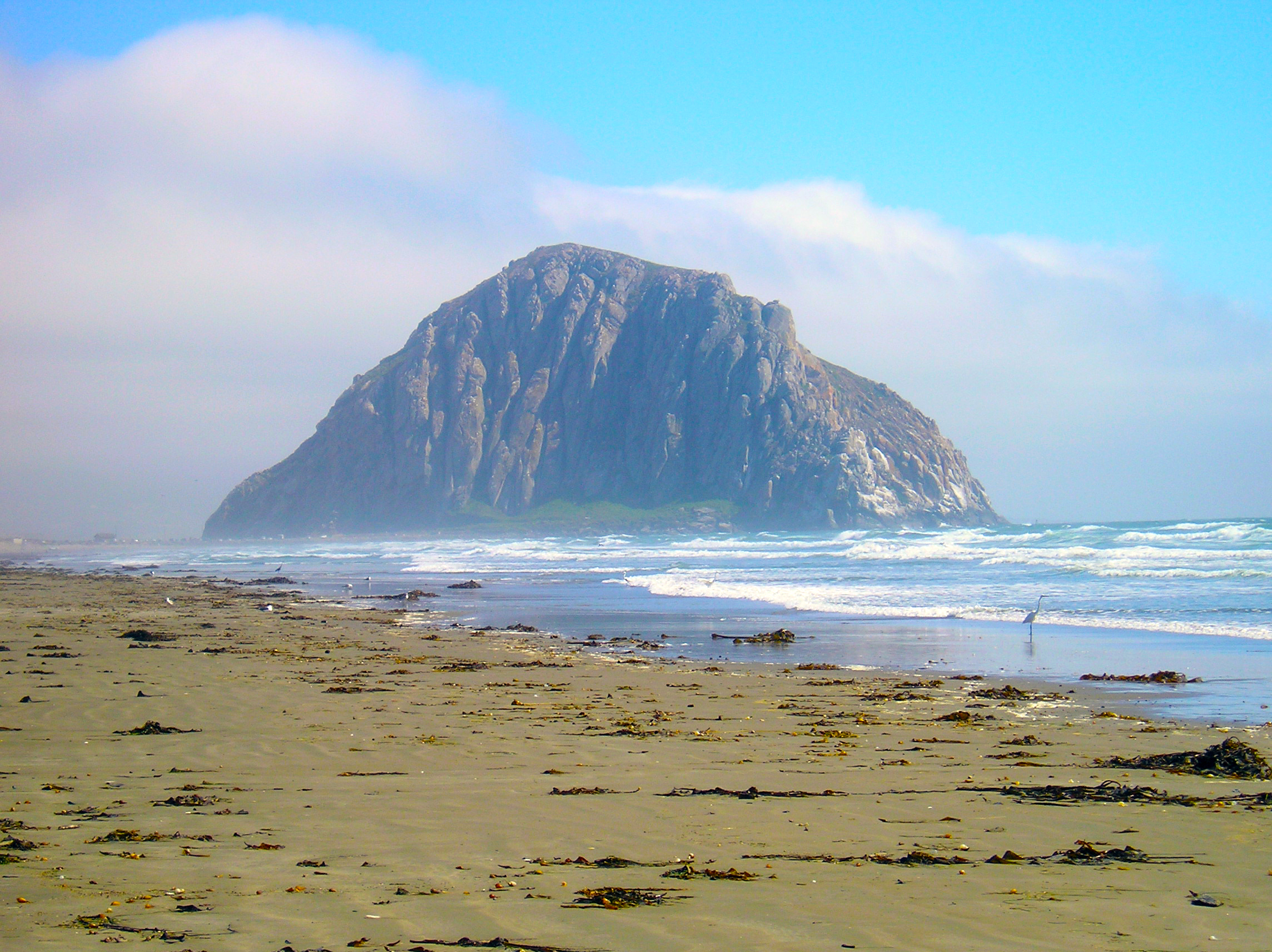 It’s time to leave. Can I just take this whole beach home with me?
 The Anxious Traveler